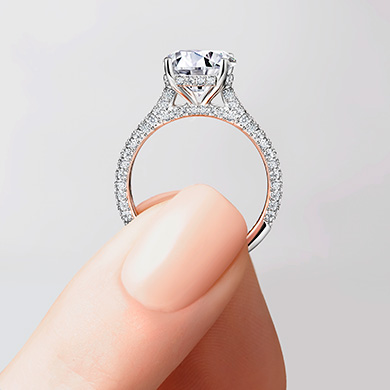
Understanding the types of solitaire settings is key to choosing a ring that feels both timeless and personal. Solitaire engagement rings highlight a single diamond, but the way it’s set can transform the entire look. From classic prongs to modern bezels, each style offers a different balance of elegance, security, and everyday wearability. In this guide, we’ll walk through the most popular solitaire setting types and help you decide which one best fits your style and aesthetic.
What is a Solitaire Ring Setting?
What is a solitaire engagement ring? A solitaire engagement ring is one of the most popular engagement rings centered around one central diamond or gemstone that stands alone without accent stones. Although the design is minimalist, the setting brings structure and personality. Whether minimal or intricate, the setting affects how the diamond is displayed, how secure it feels, and how it fits into daily life. With various types of solitaire ring settings available, you can select a look that reflects your style, balances practicality, and highlights the diamond’s natural beauty in a way that feels intentional and lasting.
Defining the Solitaire Setting
A solitaire setting ring is known for its purity of form, just one center stone, no distractions. While the silhouette is simple, the setting itself creates visual interest and structural integrity. Whether it’s an elevated prong, a wrapped bezel, or a sculptural arch, each setting frames the diamond in its own way. Styles differ in height, light performance, and how they feel on the hand. What all solitaire setting types share is the ability to showcase a single stone with clarity, offering a powerful yet restrained symbol of commitment.
Why Choose a Solitaire Ring?
Solitaire diamond ring settings are loved for their elegance, versatility, and traditional appeal. They focus all attention on a single diamond, allowing its shape, cut, and sparkle to take center stage. The solitaire ring remains a favorite because it allows the diamond to speak for itself. With no competing details, it draws focus to the center stone’s cut, color, and craftsmanship.
Iconic solitaire engagement rings also pair effortlessly with various wedding rings, from pavé classic wedding rings and curved wedding rings to sleek modern wedding ring styles, making them easy to style over time. Their timeless appeal ensures they remain elegant through every season of life, offering flexibility for brides who value simplicity, adaptability, and a ring that will always feel like their own.

(from top to bottom) Round Cut Flat Edge Solitaire Engagement Ring – Harlow, Oval Cut Wide Band Solitaire Engagement Ring – Demitra, Oval Cut Flat Edge Solitaire Engagement Ring – Ember, and Radiant Cut Flat Edge Solitaire Engagement Ring – Vesta
Types of Solitaire Ring Settings
The types of solitaire settings available today range from traditional to modern, with each offering a unique aesthetic and level of security. From clean lines to vintage-inspired detail, the right setting enhances both the diamond’s brilliance and your personal style. Here are a few of the most enduring options to explore.
Prong Setting for Solitaire Rings
A prong setting uses four or six slim metal arms to hold the diamond in place. This elevated, open design allows light to pass through the stone for enhanced brilliance. Four prongs offer a delicate look, while six provide added security. Prong settings remain a classic for their timeless simplicity and ability to showcase the diamond with minimal distraction.
Bezel Setting for Solitaire Rings
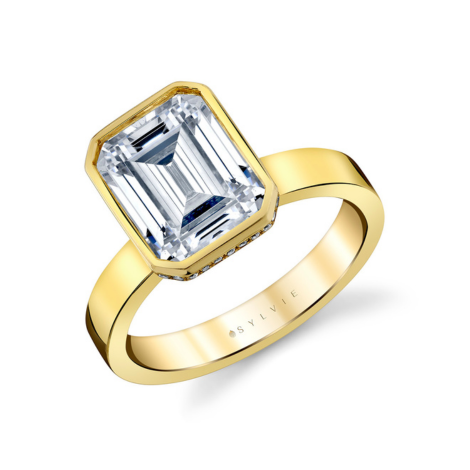
The bezel setting surrounds the diamond in a thin metal rim, offering a clean, modern look and excellent protection. Ideal for engagement rings for active women, it keeps the stone secure and snag-free. While it may slightly reduce visible surface area, it enhances symmetry and is a popular choice for contemporary brides seeking durability and style.
Tension Setting for Solitaire Rings
Tension settings create a floating effect by holding the diamond between two ends of the band using pressure. This sleek, minimal design allows maximum light exposure, enhancing brilliance. Best suited for hard stones like diamonds, tension settings are striking and modern but require precise engineering and aren’t easily resized.
Cathedral Setting for Solitaire Rings
Inspired by architectural arches, cathedral settings elevate the diamond with graceful metal slopes rising from the band. This design adds height and drama, making the stone appear larger. It works beautifully with various diamond shapes and blends tradition with structural elegance, perfect for those who want a refined, romantic silhouette.
Channel Setting for Solitaire Rings
Channel settings feature small diamonds set within parallel walls of metal, creating a smooth row of sparkle along the band. Though more common in multi-stone rings, they can accentuate a solitaire by adding brilliance without distracting from the center stone. It’s a practical, polished option for added visual interest.
Halo Setting for Solitaire Rings
Hidden halo engagement rings place pavé diamonds beneath the center stone, visible from the side profile. This design adds soft shimmer without altering the solitaire’s clean look. Often paired with prong or cathedral styles, hidden halos bring extra depth while preserving the understated beauty of a classic solitaire.
Choosing the Best Solitaire Setting for Your Diamond
Selecting the perfect solitaire setting isn’t only about aesthetics. It’s about how the setting supports, enhances, and protects your diamond over time. With so many types of solitaire settings available, the goal is to choose one that complements your diamond’s natural strengths while fitting seamlessly into your everyday life. When the setting and stone work in harmony, the result is a solitaire ring that feels balanced, secure, and visually confident for years to come.
Understanding Your Diamond’s Characteristics
Choosing the right solitaire ring setting begins with understanding your diamond itself. Shape, proportions, and overall presence all influence which solitaire setting types will highlight the stone most effectively. This is where the 4cs of diamonds; cut, color, clarity, and carat weight—play an important role in guiding both diamond and setting selection.
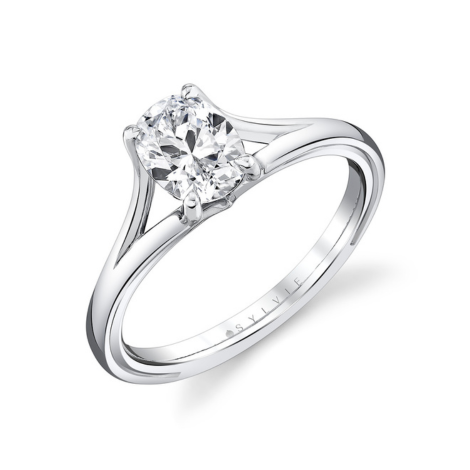
For example, round solitaire engagement rings pair beautifully with classic prong settings that allow light to enter from every angle, supporting brilliance and fire. If you’re wondering which diamond cut sparkles the most, round brilliants are widely recognized for their light performance, making them especially well-suited for open, elevated solitaire settings. Oval solitaire engagement rings benefit from similar prong styles, but their elongated shape can also be enhanced by cathedral designs that add lift without overwhelming the stone.
Step-cut shapes like emerald solitaire engagement rings emphasize clarity and symmetry rather than sparkle. These diamonds are often complemented by bezel or cathedral settings that frame the stone and highlight its clean lines. If you’re asking which diamond cut looks biggest, elongated shapes like oval and emerald cuts can create the illusion of greater size when paired with a solitaire setting that maximizes surface area.
Carat weight also influences setting choice. Larger diamonds tend to shine in elevated solitaire settings that give the stone presence, while smaller diamonds may appear more substantial in streamlined designs that keep the eye focused on the center. Working with a Sylvie Authorized Retailer ensures your setting enhances your diamond while preserving comfort and security, especially when selecting from the best stones for engagement rings.
Considerations for Your Lifestyle
The best solitaire diamond ring settings are designed to support how you live, not just how the ring looks. Daily routines, profession, and hobbies all factor into choosing a setting that feels natural and secure.
If you lead an active lifestyle or work with your hands, a low-profile solitaire setting such as a bezel or half-bezel can offer added protection and peace of mind. These designs sit closer to the finger, helping reduce snagging while keeping the diamond well supported. They’re especially practical for those who plan to wear their ring continuously.
For those drawn to a more classic aesthetic, prong and cathedral settings provide height and presence, allowing the diamond to stand out. These styles may require periodic maintenance, but when designed with strong, well-proportioned prongs, they remain a durable choice for long-term wear. Your lifestyle, combined with an understanding of why are diamonds used for engagement rings, their durability, symbolism, and lasting value, should guide the setting you choose.
What Setting Makes a Solitaire Diamond Look Bigger?
Certain solitaire setting types are especially effective at enhancing a diamond’s visual size. Prong settings, particularly four-prong designs, expose more of the diamond’s surface, allowing light to pass through and creating a sense of openness. This approach can make the stone appear larger and more prominent on the hand.
Cathedral settings add vertical lift, drawing the eye upward and emphasizing the diamond’s presence without adding bulk. When paired thoughtfully, the right solitaire setting ring can amplify proportion and brilliance. By considering cut, shape, and structure together, especially when deciding between styles like round engagement rings or oval engagement rings, you can choose a setting that enhances scale while keeping the design refined and balanced.
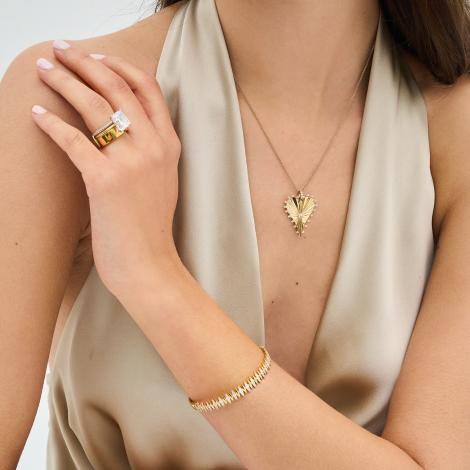
(from left to right) Polished Gold and Diamond Wedding Ring Enhancer – B252, Emerald Cut Solitaire Engagement Ring – Dominique, Tulira Two Tone Leaf Diamond Bangle – BGS1000, and Linéaire Fine Line Diamond Heart Pendant – PS1015
Benefits and Drawbacks of Solitaire Settings
Solitaire engagement rings tell a story, elegant, and highly versatile, but no setting is perfect for everyone. Understanding the advantages and potential limitations of various types of solitaire settings can help you choose a design that fits your lifestyle, aesthetic, and expectations.
The Pros of Solitaire Ring Settings
Solitaire settings are beloved for their simplicity and ability to highlight a single diamond. They offer a clean canvas for the stone to shine and work well across a range of styles.
- Classic appeal: Solitaire engagement rings never go out of style and adapt well to changing trends over time.
- Maximum diamond focus: With no side stones or distractions, all attention remains on the center stone.
- Versatile styling: Solitaire rings pair easily with a wide range of wedding bands, from pavé to curved or plain metal designs.
- Customization options: From prongs to bezels and cathedral arches, there are multiple solitaire setting types to suit different aesthetics.
- Easy maintenance: With fewer intricate details or side stones, solitaire rings are typically easier to clean and maintain.
The Cons of Solitaire Rings
While solitaire settings are classic and refined, there are a few considerations to keep in mind depending on your lifestyle and preferences.
- Less visual sparkle: Without accent diamonds or halo details, solitaire settings may appear more understated than multi-stone styles.
- More exposed center stone: Styles like prong or cathedral settings may leave the diamond vulnerable to knocks or snags.
- Can feel minimal for some: Brides who want bold or ornate designs may find solitaire rings too simple on their own.
- Visible wear over time: With the spotlight on a single stone, any imperfections in the diamond or setting become more noticeable.
Choosing a solitaire ring is ultimately about balance, between elegance and practicality, simplicity and statement.
The Most Popular Types of Solitaire Ring Settings
Among the many available options, certain types of solitaire settings continue to stand out as timeless or trend-forward favorites. From traditional prongs to sleek contemporary designs, the setting you choose can define your ring’s overall feel. Whether you’re drawn to classic romance or clean, modern minimalism, there’s a solitaire setting to match.
Traditional Solitaire Setting
The traditional solitaire setting is the foundation on which most solitaire designs are built. Typically featuring a single center diamond secured by four or six prongs, this setting lifts the stone above the band, allowing light to enter freely from all angles. The result is a solitaire setting ring that emphasizes brilliance and clarity without distraction, making it especially popular for round diamonds and other brilliant cuts.
What continues to make the traditional solitaire so appealing is its versatility. Its clean structure pairs effortlessly with nearly any wedding band, from slim pavé styles to plain metal bands, and adapts well to future stacking. For brides who value balance, familiarity, and a design that feels enduring without feeling dated, the traditional solitaire setting remains a trusted choice across generations.
Modern Solitaire Ring Settings
Modern solitaire ring settings reinterpret the classic solitaire through cleaner lines, innovative construction, and subtle design details. Bezel settings, for example, frame the diamond with a smooth metal edge, offering a refined silhouette and added protection for everyday wear. This style appeals to brides who prioritize durability and a streamlined look without sacrificing presence.
Other modern approaches include tension settings and hidden halo designs. Tension settings create the illusion that the diamond is suspended between the band, offering visual drama while maintaining structural integrity. Hidden halos introduce a discreet layer of diamond detail beneath the center stone, adding dimension without competing with the solitaire aesthetic. These solitaire setting types are especially appealing to brides drawn to minimalism with intention, designs that feel current, architectural, and thoughtfully constructed rather than ornate.
Together, traditional and modern solitaire settings represent the most popular directions in solitaire design today, offering distinct expressions of simplicity that allow the diamond to lead the story.

(from top to bottom) Shell Auranova Solitaire Engagement Ring – Liora and Auravie Flat Edge Bezel Solitaire Engagement Ring – Pippa
How to Choose Between Different Solitaire Ring Settings
With so many types of solitaire settings available, narrowing down the right option can feel overwhelming at first. The best choice comes from understanding how a setting works with your diamond, supports your lifestyle, and aligns with your long-term style preferences. Whether you’re drawn to refined tradition or a more contemporary look, a thoughtful approach leads to a solitaire ring that feels intentional and wearable for years to come. Our diamond engagement ring guide offers helpful insight as you compare options and refine what matters most to you.
Matching Your Solitaire Ring to Your Personal Style
Your solitaire setting should feel like a natural extension of your everyday style. If you gravitate toward clean, enduring designs, prong settings are often associated with classic engagement ring styles because they highlight the diamond without distraction. Many brides who ask what is the most classic engagement ring style are drawn to these settings for their simplicity and versatility.
For those with a modern or design-forward aesthetic, bezel and tension settings offer a streamlined look with strong visual structure. Cathedral settings appeal to brides who want architectural presence and subtle detail while still honoring tradition. As you explore options, it’s also common to ask what kind of band should I wear with a solitaire engagement ring setting. Minimal solitaire designs pair easily with a wide range of wedding bands, making them adaptable as your style evolves.
Considering the Diamond Shape for the Right Solitaire Setting
Diamond shape plays a significant role in determining which solitaire setting types will work best. Round diamonds are widely considered the most classic shape for engagement rings, and their balanced proportions make them compatible with nearly every solitaire ring setting. This flexibility is one reason round solitaires remain so popular across generations.
Elongated or step-cut shapes, such as emerald cuts or marquise diamonds, often benefit from settings that provide additional structure. Bezels, V-prongs, or cathedral settings can enhance security while emphasizing the diamond’s unique outline. Choosing the right combination of shape and setting ensures the diamond remains both visually strong and well supported.
Practical Considerations for Choosing a Solitaire Setting
Lifestyle is just as important as design when selecting a solitaire setting ring. If your daily routine is active or hands-on, lower-profile settings like bezels can offer comfort and added protection. Brides who want more presence and visibility often prefer prong or cathedral settings, which lift the diamond and give it greater prominence on the hand.
Maintenance should also factor into your decision. Prong settings benefit from routine inspections to ensure long-term security, while bezel settings typically require less upkeep but frame more of the diamond’s edge. Balancing these practical details with your aesthetic preferences helps you choose a solitaire setting that feels confident, functional, and aligned with how you live.
Customizing Your Solitaire Engagement Ring
While solitaire rings are known for their simplicity, that doesn’t mean they can’t be personalized. The clean foundation of a solitaire setting ring offers the perfect opportunity to add subtle, meaningful details that make a custom engagement ring that’s uniquely yours. Whether you’re looking to incorporate color, create contrast, or reflect your personal story, customization allows you to take a classic design and make it feel distinctly your own.
Adding Accent Diamonds or Gemstones
Add personal meaning with hidden diamonds or colored gemstones like pink or yellow sapphires These subtle touches maintain the solitaire’s clean look while enhancing its uniqueness and depth, perfect for expressing your story without overwhelming the minimalist design.
Choosing the Right Metal for Your Solitaire Ring
Metal choice plays a defining role in how a solitaire ring looks, feels, and wears over time.
- Yellow gold engagement rings are often associated with traditional style, offering warmth that contrasts beautifully with a bright diamond.
- White gold engagement rings and platinum engagement rings create a clean, refined look that emphasizes clarity and brilliance, making them popular for brides drawn to a modern or understated aesthetic. Our guides on is white gold good for an engagement ring and white gold vs platinum discuss these two cool metals in more detail.
- For those who prefer a softer tone, rose gold engagement rings introduce subtle warmth and a distinctive presence without overpowering the solitaire setting.
- Some brides also explore two tone engagement rings, which combine contrasting metals to add dimension while keeping the center diamond as the focal point.
When choosing a metal, understanding the difference between 14k and 18k gold is also important, as it affects durability, color richness, and how the ring holds up to daily wear. The right metal choice ensures your solitaire setting complements both your diamond and your lifestyle.
Sylvie’s Solitaire Ring Settings Collection
At Sylvie Jewelry, our solitaire engagement rings are crafted with intention, balancing artistry, comfort, and emotional resonance in every detail. Our designs go beyond minimalism, using thoughtful architecture and sculptural lines to redefine what a solitaire setting ring can be. Whether you’re drawn to timeless prongs, soft curves, or contemporary bezels
Featured Solitaire Ring Settings at Sylvie
Each of these designs reflects a different take on the classic solitaire, blending signature Sylvie elements with clean, diamond-focused settings.
Auravie Bezel Solitaire Hidden Halo Engagement Ring – Jean
The Jean engagement ring, from our Auravie bridal collection, offers a refined take on the solitaire through a smooth bezel setting that fully frames the center diamond. Beneath the surface, a discreet hidden halo adds depth and dimension, visible only from the side profile. This design balances clean lines with subtle detail, making it an ideal choice for brides who value modern structure paired with thoughtful craftsmanship.
Iconelle Solitaire Shell Taper Engagement Ring – Vera
The Vera engagement ring highlights Sylvie’s signature Shell Iconelle profile through a graceful taper that draws the eye toward the center stone. From the top view, the design reads as a classic solitaire, while the profile reveals sculptural detail and intentional negative space. This ring is well suited for those who want a timeless look with a distinctive architectural foundation.
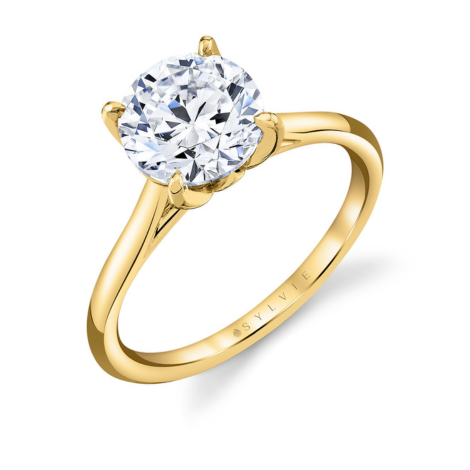
Tulira Solitaire Engagement Ring with Petal Prongs and a Peek-a-Boo Diamond – Billie
The Billie engagement ring, from our nature-inspired Tulira collection, brings softness and detail to the solitaire setting through petal-inspired prongs that gently cradle the center diamond. A hidden peek-a-boo diamond adds a personal touch beneath the setting, offering a moment of discovery without disrupting the clean silhouette. This design feels romantic yet balanced, blending refined elegance with subtle artistry.
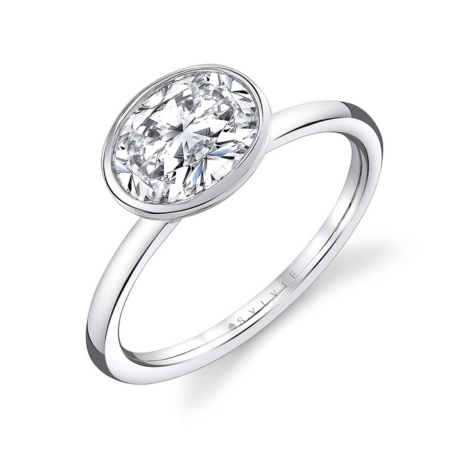
East to West Oval Cut Bezel Set Solitaire Engagement Ring – Cliodhna
The Cliodhna engagement ring reimagines the solitaire with an east-to-west oval orientation, creating a fresh, directional look. A bezel setting secures the diamond while emphasizing its elongated shape across the finger. This design feels confident and contemporary, ideal for brides drawn to minimalist styles with a modern point of view.
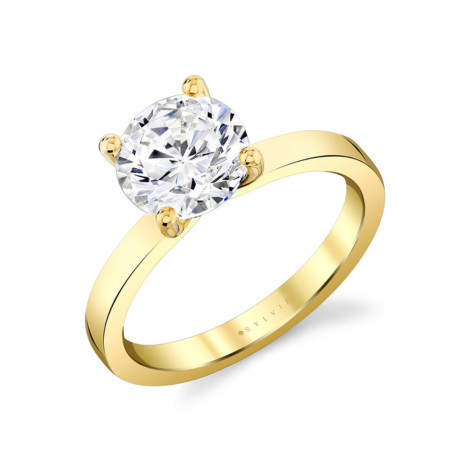
Round Cut Flat Edge Solitaire Engagement Ring – Harlow
The Harlow engagement ring pairs a classic round solitaire with a flat edge band for a crisp, modern finish. Clean lines and strong proportions allow the center diamond to take focus, while the structured band adds quiet strength to the design. This style is a refined option for those who appreciate traditional silhouettes interpreted through a modern lens.
Why Choose Sylvie for Your Solitaire Engagement Ring?
Sylvie’s solitaire rings combine refined craftsmanship with a thoughtful approach to design. Each setting is engineered for everyday wear, offering both beauty and comfort. Our signature Shell™ design elements, customizable details, and ethically sourced natural diamonds ensure that every ring is as meaningful as the moment it represents. Whether you’re just beginning your search or customizing a one-of-a-kind piece, Sylvie offers a range of solitaire ring setting styles that reflect who you are, and who you’re becoming.
Conclusion: Finding the Perfect Solitaire Setting for Your Engagement Ring
Choosing from the many types of solitaire settings allows you to create a ring that feels as individual as your love story. Whether you prefer timeless prongs, sleek bezels, or sculptural details, the right solitaire ring setting will enhance your diamond and reflect your personal style. With guidance from your Sylvie Authorized Retailer, you can confidently select or customize a design that balances elegance, durability, and everyday comfort. Your solitaire ring should feel effortless today, and just as meaningful decades from now.
Frequently Asked Questions About Solitaire Ring Settings
Choosing a solitaire ring setting often comes with thoughtful questions about design, durability, and personalization. Below, we’ve answered the most common questions to help you better understand how solitaire settings work and how to choose one that fits your style, lifestyle, and long-term vision.
What is a solitaire ring setting?
A solitaire ring setting features a single center diamond with no side stones, emphasizing the beauty of the gem itself. Its simplicity and clean lines make it a timeless favorite for engagement rings.
Which diamond shapes work best in solitaire settings?
Round, oval, emerald, and cushion cuts are the most popular for solitaire designs. Each offers a distinct personality, from round’s classic sparkle to emerald’s sleek, modern appeal.
Do solitaire rings come in different metal options?
Yes. Solitaire settings are available in 14K or 18K yellow, white, or rose gold, as well as platinum. Each metal brings its own tone and style to the overall look.
Can I add a hidden halo to a solitaire setting?
Yes, a hidden halo can be added beneath the center stone for a subtle touch of extra sparkle. It enhances brilliance while maintaining the solitaire’s minimalist elegance.
What setting makes a diamond look the biggest?
Prong and cathedral settings lift the diamond higher, allowing more light to enter and maximizing its sparkle. A thinner band can also make the center stone appear larger.
Are solitaire rings good for everyday wear?
Yes, solitaire rings are durable and practical for daily wear. Low-profile prong or bezel settings offer extra security while keeping the ring comfortable and elegant.
How do I clean a solitaire engagement ring?
Use warm water, mild soap, and a soft brush to gently clean your ring. For best results, schedule regular professional cleanings with your jeweler.
Can I customize a solitaire ring at Sylvie?
Yes. Through our authorized retailers, you can personalize your solitaire ring by selecting the diamond shape, metal, and setting details to match your vision.
Do solitaire settings pair well with wedding bands?
Definitely. Solitaire rings stack beautifully with straight, curved, or pavé wedding bands, allowing you to create a cohesive and personal bridal set.
Is a solitaire ring considered timeless?
Absolutely. Its minimalist, diamond-focused design has remained elegant for generations, making it a forever classic in engagement ring styles.