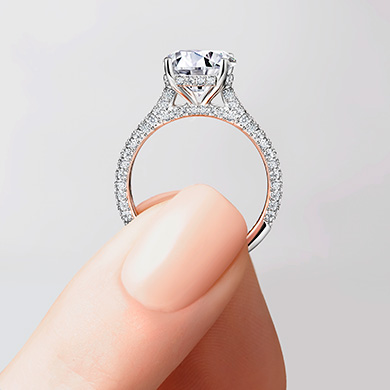
Diamonds may be the classic choice, but today’s couples are embracing a wider spectrum of gemstones for their engagement rings. From rare colors to stones with deep personal meaning, these unique choices offer beauty and individuality while telling a love story that’s entirely your own.
Why Choose a Unique Gemstone for Your Engagement Ring?
An engagement ring is more than a symbol of commitment, it’s a piece of your personal story. Choosing a gemstone beyond the traditional diamond opens the door to vibrant colors, meaningful symbolism, and designs that reflect your individuality. Each stone offers its own personality, allowing you to capture not just a moment in time, but the essence of your relationship.
Expressing Personality Through Unique Gemstone Engagement Rings
Your engagement ring should feel like it was made just for you. Whether you’re drawn to the calming blues of aquamarine, the lush greens of emerald, or the rare color-shifting beauty of alexandrite, your choice of stone can reflect your style and life experiences. Some couples select engagement rings based on zodiac signs, birthstones, or gemstones linked to important anniversaries, giving the ring an extra layer of personal meaning.
Sourcing Rare Stones for Unique Engagement Rings
Some of the best stones for engagement rings begin with a quest for an extraordinary stone. Sourcing rare gemstones, whether it’s a padparadscha sapphire with its elusive pink-orange hue or a Paraíba tourmaline in vivid neon blue, requires both patience and expertise. These precious finds are sought after not only for their beauty but for their scarcity, making them true statement pieces.
Working with an authorized Sylvie retailer who understands the market for exotic stones for engagement rings can open doors to colors and cuts you won’t find in standard collections. Whether the gem comes from a faraway mine or a vintage piece ready to be reimagined, the search becomes part of your story, adding a sense of adventure and discovery to the ring you’ll wear for a lifetime.
Alternative Stone Engagement Rings That Break Tradition
Diamonds may be the classic choice, but they’re far from the only option. A vivid sapphire, a romantic morganite, or a luminous opal can create a one-of-a-kind design that stands out in photographs and starts conversations. For couples looking to express their individuality, unique stones for engagement rings offer beauty with a distinct point of view.
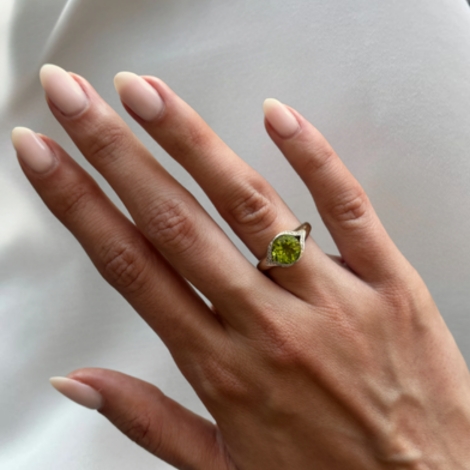
Shell Auranova Riva Split Shank Engagement Ring – Calista with Round Cut Peridot Center Stone
How to Evaluate Different Gemstones for Rings
Once you’ve decided to explore diamond vs gemstone engagement rings, understanding the qualities of alternative stones will help you choose something that’s both beautiful and practical. Factors like durability, appearance, sourcing, rarity, and budget all play a role in finding the perfect fit.
Durability & the Mohs Hardness Scale
When choosing a gemstone, it’s important to know how well it will stand up to everyday wear. The Mohs scale is a simple way to measure this, ranking stones from 1 (softest) to 10 (hardest).
Diamonds sit at the very top with a perfect score of 10, meaning they’re extremely resistant to scratches. Sapphires and rubies are close behind at 9, making them excellent choices for a ring you’ll wear daily. Spinel ranks at 8, offering impressive strength and long-lasting beauty.
Some stones, like emerald, aquamarine, and morganite, score between 7.5 and 8.
They’re still strong but benefit from a little extra care to keep them looking their best. Garnet and amethyst fall between 6.5 and 7, which means they can scratch more easily and are better suited for mindful wear.
Softer stones, such as opal and pearl, need the most protection. Opals usually score between 5.5 and 6.5, while pearls are even softer at 2.5 to 4.5. These delicate gems can still make beautiful engagement rings, but they shine brightest when set in protective designs and worn with care.
Color, Clarity & Special Optical Effects in Gemstones for Engagement Rings
When it comes to unique stones for engagement rings, color is often what captures the heart first. Hue, tone, and saturation work together to create a stone’s vibrancy, while clarity influences how light travels through it.
Some gems offer rare visual effects, alexandrite, for example, can shift from green to red depending on the light, while opals display a mesmerizing play-of-color with flashes that change as the stone moves. These details make a gemstone feel dynamic and truly one-of-a-kind.
Ethical Sourcing for Unique Gemstone Engagement Rings
Selecting a unique gemstone for your engagement ring is not only a stylistic choice but also an opportunity to align your jewelry with your values. In the U.S., many consumers prioritize stones that come from partners who follow responsible sourcing practices, including suppliers that uphold industry-recognized standards for transparency and environmental care.
At Sylvie Jewelry, we work exclusively with trusted vendors and retailers who share our commitment to integrity and responsible sourcing, ensuring every gemstone meets our high expectations for quality and ethical consideration. Vintage or repurposed gemstones can also be a meaningful option, offering character and reducing the demand for newly mined material. This mindful approach allows your ring to carry both personal significance and a thoughtful connection to how it was made.
Rarity, Availability & Budget Planning for Unique Gemstones
Some gemstones are prized for their scarcity, and that exclusivity often influences cost. Padparadscha sapphires, with their delicate pink-orange glow, and Paraíba tourmalines, known for their vivid neon blue, are examples of stones that are both rare and highly sought-after. While these gems can be a stunning investment, balancing their rarity with your budget helps you choose a stone you’ll love and wear confidently for years to come.
Top Unique Gemstones for Engagement Rings
Exploring distinctive gemstones opens a world of color, texture, and symbolism, allowing you to choose a center stone that feels as individual as your love story. Each offers unique qualities that influence beauty, meaning, and longevity.
Sapphires – Blue, Teal & Padparadscha
Sapphires extend far beyond classic blue, appearing in shades of teal, golden yellow, and the rare padparadscha blend of pink and orange. With a Mohs hardness of 9, they offer exceptional durability suited for daily wear. As the September birthstone, sapphire is tied to clarity, sincerity, and wisdom, and is often associated with engagement rings for Virgos. Their range of color and enduring strength make them a meaningful choice for an engagement ring with personality.
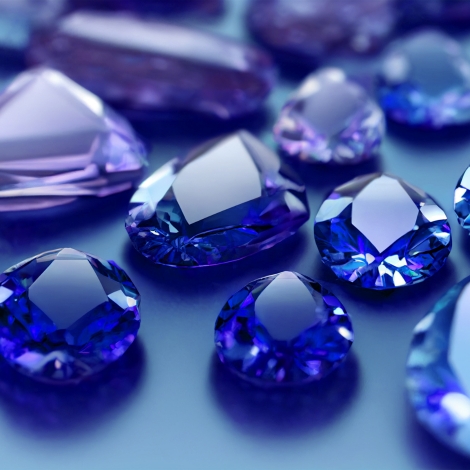
Emerald – Deep Green Symbol of Love
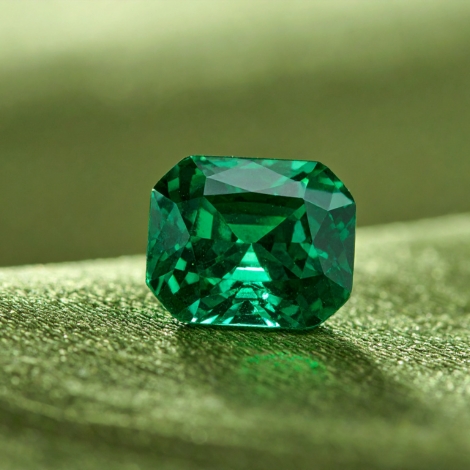
Emeralds are admired for their rich green hue, a color long connected to renewal, growth, and lasting love. With a Mohs hardness of 7.5–8, they benefit from protective settings that safeguard against surface wear. As the May birthstone and traditionally linked to Taurus engagement rings, emeralds carry deep symbolic history and continue to be a sophisticated choice for meaningful jewelry.
Ruby & Spinel – Bold Red Alternatives
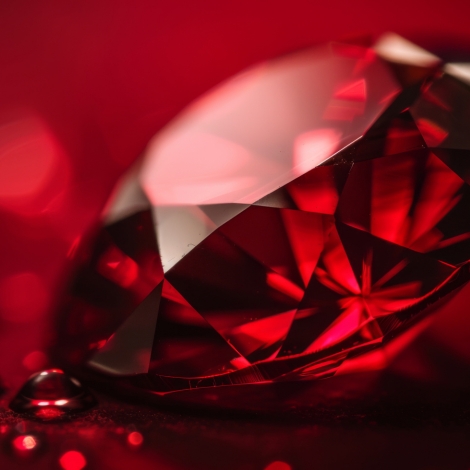
Rubies deliver intense red hues linked to passion, vitality, and strength, while spinel offers similar vibrancy with excellent clarity and a Mohs hardness of 8. Spinel also comes in additional colors such as blue and lavender. Ruby is the July birthstone and traditionally connected to Cancer engagement rings, adding emotional depth to its symbolism. Spinel is a modern August birthstone, associated with engagement rings for Leo and known for its resilience and color diversity.
Garnet – Color Variety & Affordability
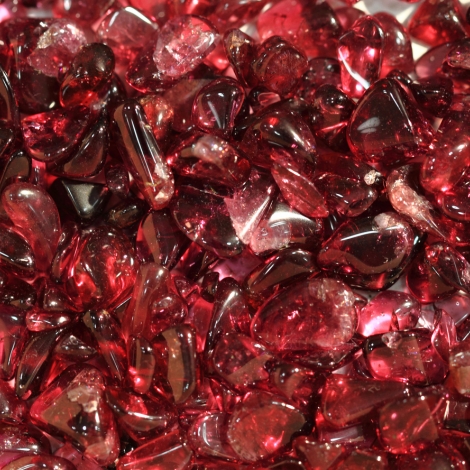
Garnets appear in a wide range of colors, including deep red, vibrant green, and warm golden-orange. With a hardness of 6.5–7.5, they’re best worn with some mindfulness for longevity. As the January birthstone tied to Capricorn engagement rings, garnet symbolizes protection and strength, offering an accessible yet meaningful option for personalized designs.
Aquamarine & Other Serene Blue Stones
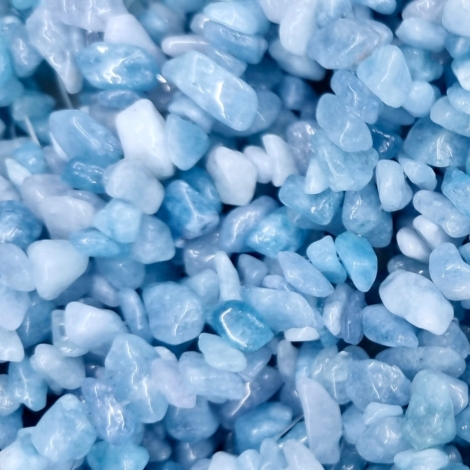
Aquamarine features a cool, crystalline blue that evokes calmness and balance. With a Mohs hardness of 7.5–8, it performs well for regular wear when set securely. As the March birthstone and associated with Pisces engagement rings, aquamarine carries peaceful, water-inspired symbolism that pairs beautifully with white gold and platinum.
Morganite – Romantic Peach and Pink Hues
Morganite’s gentle peach and blush tones create a warm, romantic presence on the hand. With a hardness of 7.5–8, it offers reliable wearability with thoughtful care. Often paired with rose gold engagement rings, morganite brings a soft, modern interpretation to unique gemstone engagement rings.
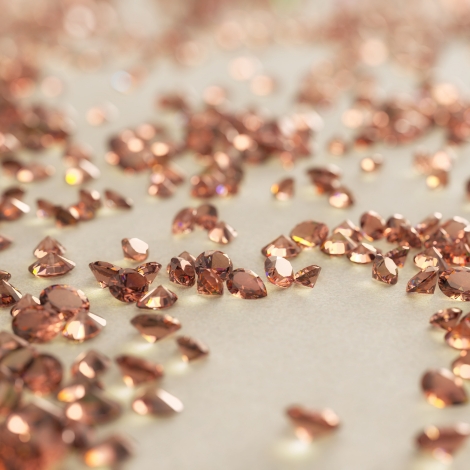
Amethyst & Purple Gemstones
Amethyst ranges from pastel lavender to saturated violet, known for its associations with clarity, calmness, and inner balance. As the February birthstone linked to Aquarius engagement rings, it carries a long history of symbolism and meaning. With a 7 hardness, amethyst can be worn daily with attentive care.
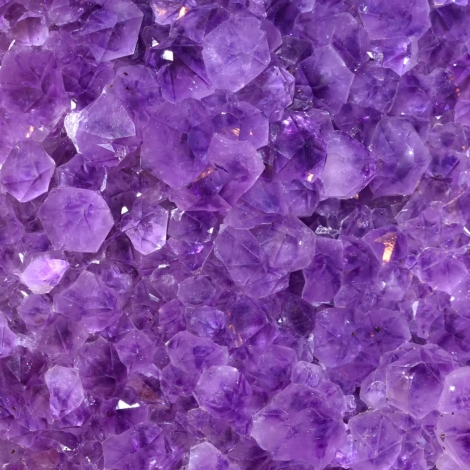
Topaz – Blue, Champagne & Imperial Shades
Topaz spans an impressive color range, from cool blue to champagne and the rare orange-gold Imperial topaz. Ranking 8 on the Mohs scale, it blends durability with versatility. Its mix of hues allows it to complement both understated and vibrant engagement ring designs.
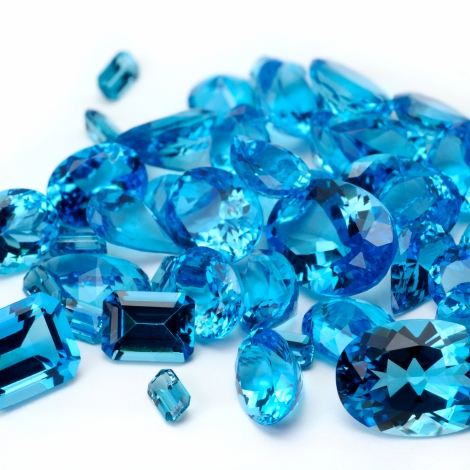
Pearl & Opal – Delicate Natural Beauty
Pearls and opals are prized for their organic beauty, but with hardness levels between 2.5–6.5, they require protective settings and thoughtful wear. Pearl is the June birthstone associated with Gemini engagement rings, while opal serves as an October birthstone linked to Libra engagement rings, giving both gemstones deep personal resonance. Their soft glow and natural shifts in color make them meaningful choices for those drawn to gentle, expressive stones.
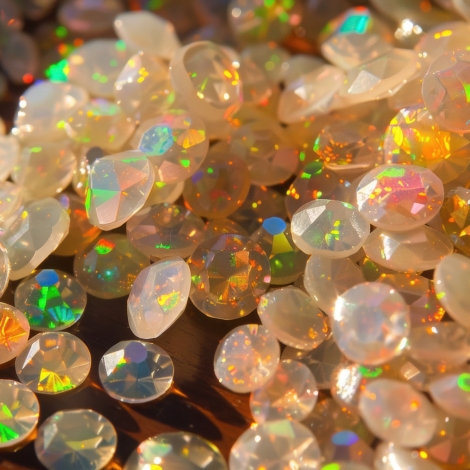
Alexandrite & Color-Change Stones
Alexandrite is celebrated for its dramatic color-change effect, shifting from green in daylight to reddish-purple under warmer light. With a hardness of 8.5, it offers strong durability alongside visual intrigue. As an alternative June birthstone, alexandrite carries symbolic connections to adaptability and transformation.
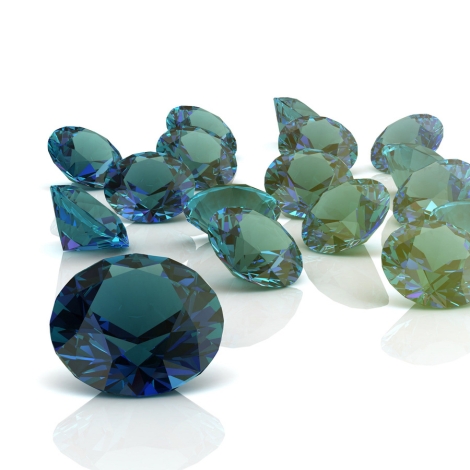
Tourmaline – From Watermelon to Paraíba
Tourmaline is one of the most color-diverse gemstones, ranging from soft pastels to the vivid electric blue of Paraíba varieties. With a Mohs rating of 7–7.5, it performs well for regular wear when cared for properly. This range of color makes tourmaline ideal for highly personalized engagement ring designs.
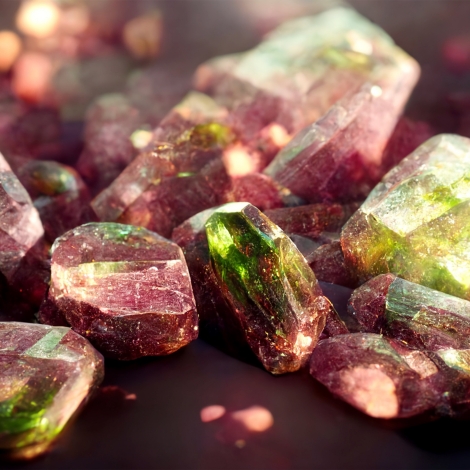
Zircon & Spinel – Sparkling Diamond Alternatives
Zircon offers impressive brightness and comes in colors from pale blue to warm honey tones. Spinel, known for its clarity and 8 hardness rating, appears in reds, blues, and lavender shades. Together, they provide vibrant alternatives for those drawn to brilliance and color in a non-diamond engagement ring.
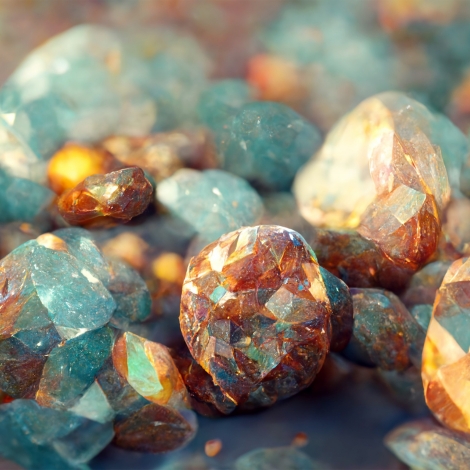
Spectrolite & Labradorite – Iridescent Stones with Play-of-Color
Spectrolite and labradorite are feldspar minerals known for their unique flashes of blue, green, and gold. With a softer hardness of 6–6.5, they require extra care but reward the wearer with a dynamic, shifting display of color. Their ethereal glow makes them especially appealing in artistic or bohemian-inspired designs.
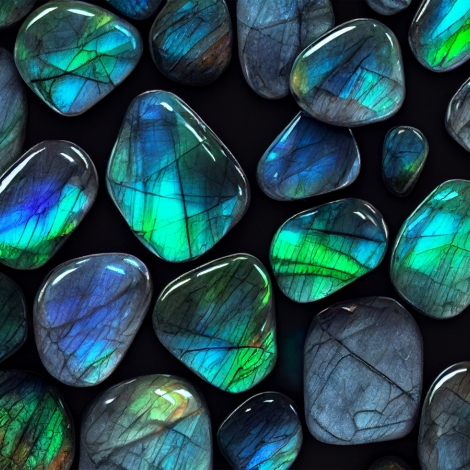
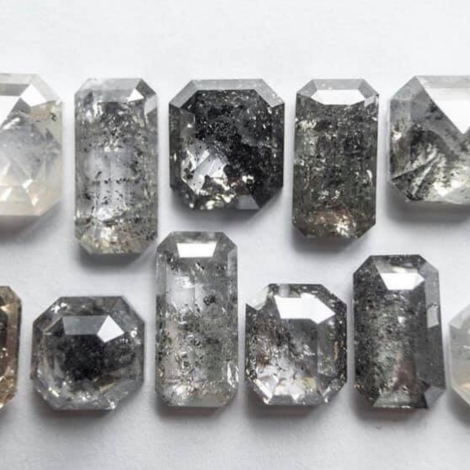
Unique Diamonds – Salt-and-Pepper, Cognac & Champagne Varieties
For those drawn to diamonds but seeking something unconventional, naturally colored or included stones offer a distinct aesthetic. Salt-and-pepper diamonds feature speckled inclusions that create a moody, organic appearance, while cognac and champagne diamonds showcase warm earthy tones. These variations keep the enduring qualities of diamond while breaking from tradition.
Caring for Non-Diamond Engagement Ring Stones
Each gemstone has its own personality and care requirements, and understanding these can help preserve the brilliance, color, and structure of your engagement ring for decades. Unlike diamonds, which can withstand a great deal of daily wear, many unique gemstones benefit from extra attention to ensure their beauty lasts a lifetime.
Choosing Protective Settings for Softer Stones
For gemstones lower on the Mohs hardness scale, like opal, pearl, or certain varieties of garnet, the setting can make all the difference. Bezel settings encircle the stone in a smooth rim of metal, shielding it from direct knocks and reducing exposure to edges that could chip. Halo engagement ring settings add a ring of smaller diamonds or gemstones around the center stone, providing a buffer against impact while enhancing visual size and sparkle. In either case, these designs not only safeguard the gem but also create a distinctive, elegant frame.
Cleaning & Maintenance Best Practices
While it can be tempting to use ultrasonic or steam cleaners for convenience, many alternative gemstones are sensitive to sudden temperature changes, vibration, or high pressure. The safest cleaning method for nearly all stones involves lukewarm water, mild dish soap, and a soft, lint-free brush. Rinse gently and pat dry with a microfiber cloth. Schedule a professional inspection at least once a year to check the setting’s integrity, particularly the prongs holding the stone in place. Learn how often to clean an engagement ring to keep it looking its best.
When to Remove Your Ring to Prevent Damage
Wearing your ring during certain activities can increase the risk of damage, especially with softer or more brittle stones. It’s best to remove your ring before exercising, swimming, gardening, or handling harsh chemicals. Even everyday tasks like cooking or applying lotions can leave residues that dull a gemstone’s appearance over time. By taking small, consistent precautions, you can ensure your non-diamond engagement ring remains as captivating as the day you received it.
Ethical & Sustainable Gemstone Engagement Rings
A gemstone can be as personal as the love story it represents. Many couples choose unique gemstone engagement rings that carry a deeper connection, a birthstone marking the month they met, a sapphire in the color of a favorite place, or a stone passed down from a loved one. These details turn a beautiful ring into a keepsake layered with sentiment.
Beyond color and cut, meaning can also be tied to symbolism. Emeralds, for example, are linked to renewal and growth, while rubies are associated with passion and strength. Choosing a gem with personal resonance ensures your engagement ring reflects not just your style, but your shared history and future together.
Responsibly Sourced & Certified Stones
In the U.S., many couples look for gemstones that reflect both craftsmanship and responsible practices. At Sylvie Jewelry, we partner only with trusted suppliers and retailers who prioritize traceability, safe working conditions, and responsible mining standards. While gemstones are not universally certified through a single governing body, reputable U.S. vendors provide documentation and disclosure regarding origin and any treatments. This level of transparency allows you to feel confident knowing your gemstone was sourced with care, integrity, and respect for the communities who bring these materials to life.
Recycled Gems & Vintage Stones for Eco-Friendly Rings
Recycled and vintage gemstones are a sustainable option that also adds character to your engagement ring. These stones are repurposed from older jewelry, reducing the need for new mining and preserving natural resources. Each carries a unique history, making your ring even more personal. Whether it’s a sapphire passed down through generations or a re-cut emerald from a vintage piece, these gems offer charm with a lighter environmental footprint. Discover how resetting heirloom jewelry can give new life to sentimental stones.
Custom Design with Sylvie Jewelry’s Ethical Approach
At Sylvie, we believe beauty and responsibility should go hand in hand. Our five-step customization process begins with your inspiration, brought to us through one of our authorized retailers. From there, our design team creates a detailed CAD rendering for your approval. Once finalized, our artisans handcraft your ring with precision and care, ensuring each gemstone is sourced responsibly. The result is a one-of-a-kind engagement ring that not only tells your love story but also honors the world it came from.
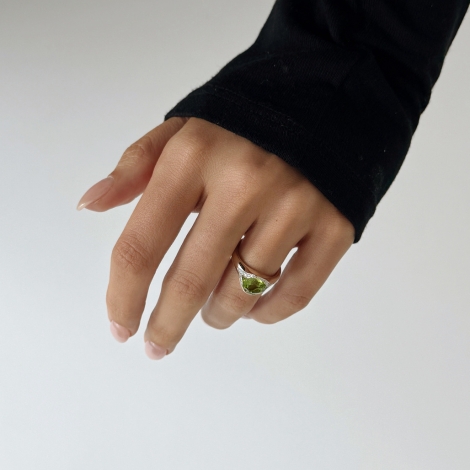
Shell Auranova Riva Split Shank Engagement Ring – Calista with Round Cut Peridot Center Stone
Choosing the Right Gemstone for Your Engagement Story
Selecting your engagement ring’s center stone is about more than beauty, it’s about finding a gem that fits your lifestyle, expresses your style, and carries meaning that will resonate for decades.
Symbolism & Birthstones: Matching Meaning with Stone
Every gemstone carries its own story. Some couples choose their birthstones or the stone tied to the month they got engaged, while others pick a gem that reflects a shared passion, a cherished place, or a personal value. Emeralds, for instance, have long symbolized renewal and harmony, while sapphires are linked to loyalty and wisdom. Rubies, with their deep crimson hue, evoke passion and vitality.
If you’re drawn to the idea of a stone with astrological or symbolic significance, exploring engagement ring stones that match your zodiac sign can add a layer of personality to your choice. Whether it’s the protective strength of garnet, the romantic energy of morganite, or the transformative magic of alexandrite, selecting a stone with meaning ensures your ring tells a story that’s uniquely yours.
Alternative Stones for Engagement Rings FAQs
What are the most popular stones for engagement rings besides diamonds?
Sapphires, emeralds, and rubies remain top choices for their beauty and durability. Morganite, aquamarine, and opal are also growing in popularity for their distinctive colors and personal meaning.
Which gemstones are durable enough for daily wear?
Sapphires, rubies, and spinel are excellent for everyday use thanks to their high hardness. Stones like emerald and aquamarine can also work well with mindful care and protective settings.
Are sapphires good for engagement rings?
Yes, sapphires are highly durable, ranking 9 on the Mohs scale, and come in a wide range of colors. They also carry symbolic meaning, often representing loyalty and wisdom.
Is emerald too soft for everyday use?
Emeralds are durable but can be more prone to chipping due to natural inclusions. Choosing a protective setting and avoiding high-impact activities can help preserve their beauty.
Are pearls suitable for engagement rings?
Pearls are much softer than most gemstones, making them more delicate for daily wear. They’re best for special-occasion rings or designs with protective settings.
What is a padparadscha sapphire?
A padparadscha sapphire is a rare variety with a unique pink-orange color. Its rarity and striking hue make it one of the most sought-after gemstones in the world.
What is a salt-and-pepper diamond?
Salt-and-pepper diamonds feature a mix of black and white inclusions, giving them a speckled appearance. They’re perfect for couples who love a natural, organic look.
How do I choose a gemstone based on color and meaning?
Start by exploring which colors resonate most with your style and personality. Then, research the symbolic meanings, such as love, courage, or protection, to find a stone that aligns with your story.
How do I clean and care for opal, pearl, or softer stones?
Use lukewarm water, mild soap, and a soft cloth or brush, avoiding ultrasonic cleaners and harsh chemicals. Store them separately and remove them before activities that could cause impact or abrasion.
Are colored diamonds rarer than white diamonds?
Yes, natural fancy-colored diamonds are rarer, with some shades, like vivid pink or blue, being exceptionally scarce. Their rarity often makes them more valuable than traditional white diamonds.
What is the difference between ruby and spinel?
Both can appear in vibrant red, but ruby is a variety of corundum while spinel is a separate mineral. Spinel can offer similar beauty at a more accessible price point.
Are gemstone engagement rings more affordable than diamonds?
Many gemstones, like amethyst or garnet, are less expensive than diamonds of similar size. However, rare varieties, like Paraíba tourmaline, can be more costly than many diamonds.
Where can I buy unique gemstone engagement rings?
The best option is to visit an authorized retailer that offers certified, responsibly sourced gemstones. Sylvie Jewelry’s network of trusted partners can guide you to the perfect stone and design.
Can I customize my engagement ring with a unique stone?
Absolutely, Sylvie’s customization process allows you to create a one-of-a-kind design with your chosen gemstone. Work with an authorized retailer to bring your vision to life.
Are vintage gemstones a good option for engagement rings?
Yes, vintage gemstones offer unique history and character while reducing the need for new mining. They can be reset into modern or custom designs for a fresh yet meaningful look.