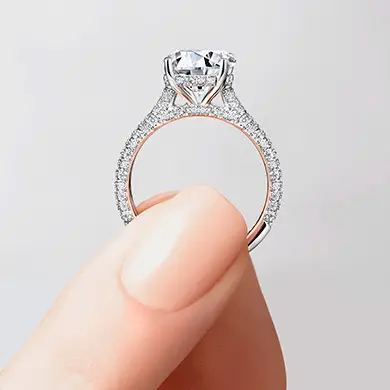
Choosing between a gemstone vs diamond engagement ring is often the first major decision for couples. Diamonds are celebrated for their strength and symbolism, while gemstones introduce color, rarity, and personal meaning. Both offer distinct ways to tell a love story.
In this guide we’ll answer the question why are diamonds used for engagement rings and how gemstones compare as it relates to engagement rings.
Understanding a Gemstone vs Diamond Engagement Ring
A gemstone vs diamond engagement ring differs not only in appearance but also in composition, history, and cultural significance. Diamonds have been the centerpiece of engagement rings for more than a century, while gemstones offer alternatives rooted in tradition and self-expression.
What Defines a Diamond vs Gemstone Engagement Ring
A diamond engagement ring typically features a natural diamond as the center stone, chosen for its brilliance, hardness, and symbolism of enduring love. Diamonds are graded using the 4Cs of diamonds, cut, color, clarity, and carat, which together determine overall diamond quality and grading. Their durability makes them ideal for daily wear, contributing to their ongoing popularity.
Gemstone engagement rings replace the diamond with colored gems such as sapphire, ruby, or emerald. These unique stones for engagement rings are valued for hue, saturation, and symbolic meaning rather than brilliance alone. Because most gemstones are softer than diamonds, setting style and protective design details often play an important role in maintaining longevity.
Popular Gemstones for Engagement Rings – Sapphires, Rubies & Emeralds
Sapphires are admired for their deep blues but can also appear in pink, yellow, and teal, making them versatile for couples who want individuality without sacrificing durability (Read more about sapphires and their different colors and hues in our guide what color is a sapphire). Rubies, prized for their bold reds, symbolize passion and strength, and their rarity places them among the most valuable colored stones. Emeralds, with their striking green hues, represent renewal and harmony, though their natural inclusions require careful wear.
These gemstones can serve as the main stone or as accents alongside diamonds, creating gemstone and diamond rings that combine durability with vibrant color. Couples often choose based on the personal meaning of the gem as much as its beauty.
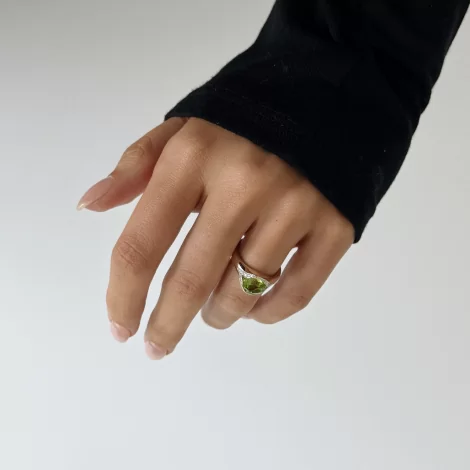
Shell Auranova Riva Split Shank Engagement Ring – Calista with Custom Round Peridot Center Stone
Appearance & Style in Gemstone vs Diamond Engagement Ring
How an engagement ring looks is shaped by factors such as brilliance, color, cut, and the metal that frames the stone. Each choice influences whether the ring feels classic, bold, or personal.
Color & Sparkle – Diamond vs Gemstone Rings
Diamonds are evaluated for brilliance, fire, and scintillation, the ways they reflect and disperse light. This optical performance is what creates the “sparkle” associated with diamond engagement rings.
Gemstones are valued differently: richness of color, hue consistency, and saturation are key. A sapphire’s velvety blue or an emerald’s lush green creates impact through color rather than brilliance. This is why gemstone vs diamond engagement rings appeal to couples who want individuality expressed through hue and tone rather than light return.
Cut & Shape Differences in Gemstone and Diamond Engagement Rings
Diamond cuts, round, oval, cushion, emerald, and more, are engineered to maximize brilliance, with even subtle variations in proportion affecting how much light returns to the eye. For those drawn to traditional silhouettes, exploring the most classic shapes for engagement rings can provide helpful context on enduring favorites.
Gemstone cuts, by contrast, prioritize color and structural stability. Emeralds are often fashioned into rectangular shapes that reduce stress on inclusions, while sapphires and rubies are typically cut into ovals or cushions to intensify hue. Unlike diamonds, which can thrive in almost any cut, gemstone shapes are often chosen to both highlight natural color and protect the stone from wear.
Matching Metals with a Diamond or Gemstone Engagement Ring
The choice of metal can enhance or soften the effect of the center stone. Platinum engagement rings and white gold engagement rings amplify a diamond’s brightness and complement cool-colored gems like sapphires. Yellow gold engagement rings intensifies the warmth of rubies and can even make lower-color diamonds appear whiter. Rose gold engagement rings provide a romantic backdrop, adding softness to pink stones and contrast to clear diamonds.
For couples weighing options, it can also be useful to compare white gold vs platinum when deciding on a setting, as both metals bring durability and unique aesthetics. Others may gravitate toward mixed metal or two tone engagement rings, which highlight contrast and allow the center stone to stand out with added dimension.
Pairing the right metal with the center stone ensures balance in design. Diamonds are universally adaptable, while gemstones often benefit from thoughtful metal choices that highlight their natural color.
Durability & Maintenance of Gemstone vs Diamond Engagement Rings
An engagement ring is designed for daily wear, making durability a critical factor. Hardness, toughness, and care requirements vary between diamonds and gemstones, influencing how each performs over time and which are the best stones for engagement rings.
Mohs Hardness – Diamond vs Gemstone Comparison
Understanding Mohs hardness helps couples balance beauty with practicality. A gemstone vs diamond engagement ring may look equally striking, but the longevity of the center stone depends on its hardness and how the ring is worn.
Diamonds top the Mohs scale with a hardness of 10, making them the most durable natural material on earth. This hardness means they resist scratches from any other stone, an advantage for rings worn every day. However, while nearly indestructible against scratches, even diamonds can chip if struck at vulnerable angles.
Gemstones vary widely in hardness. Sapphires and rubies, part of the corundum family, score a 9, offering strong resistance to scratches and making them one of the best alternatives to diamonds for engagement rings. Emeralds rank lower at 7.5–8 and contain natural inclusions, which can make them more prone to surface-reaching fractures. Stones like aquamarine or morganite fall within the same range, requiring extra care during wear.
Everyday Wear & Care for Diamond and Gemstone Engagement Rings
For daily use, diamonds require relatively minimal care. Regular cleaning with warm water, mild soap, and a soft brush restores their brilliance, and knowing how to clean an engagement ring properly helps maintain its beauty over time. Professional inspections are recommended once or twice a year to ensure the prongs remain secure, as even the hardest diamond is vulnerable if the setting loosens.
Gemstones, on the other hand, often need more mindful maintenance. Sapphires and rubies, with their high hardness, can handle frequent wear but benefit from careful cleaning, as harsh ultrasonic cleaners may damage treatments applied to enhance their color. Emeralds require even greater care: avoid steam or ultrasonic cleaning, keep them away from sudden temperature changes, and store separately to prevent scratches from harder stones.
Everyday habits also matter. Both diamond and gemstone rings should be removed during heavy activity, exposure to chemicals, or tasks that could put pressure on the setting. Storing them in individual pouches or compartments prevents contact damage.
Ultimately, a diamond versus gemstone engagement ring will differ in how much attention it requires over time. Diamonds provide ease of wear with minimal upkeep, while gemstones add individuality and symbolism but may require tailored maintenance depending on the stone. Couples who understand these differences can make a confident choice that aligns with both lifestyle and style preference.
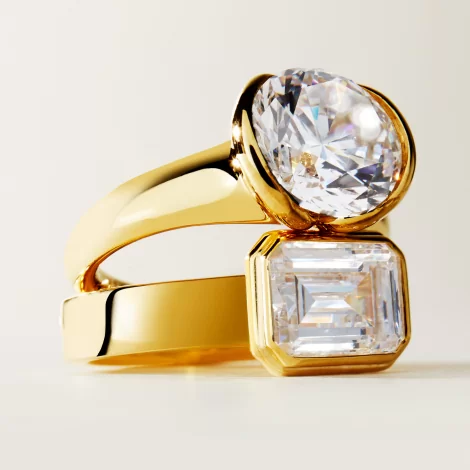
(from top to bottom) Shell Auranova Solitaire Engagement Ring – Liora and Auravie Flat Edge Bezel Solitaire Engagement Ring – Pippa
Cost & Value in Diamond vs Gemstone Engagement Rings
The value of an engagement ring depends on multiple factors, including rarity, size, quality, and long-term desirability. While both diamonds and gemstones can make striking centerpieces, their pricing and resale potential differ in meaningful ways.
Pricing Factors for Gemstone vs Diamond Rings
Diamond values are influenced by measurable qualities such as cut, color, clarity, and carat weight, with even slight differences creating noticeable price variations. Their globally recognized grading standards allow consistent comparisons across jewelers, which helps explain why diamonds maintain stable pricing structures.
Gemstone prices are less predictable. Color is the dominant factor, with stones showing vivid, even saturation commanding higher prices than larger but less vibrant gems. Origin also matters, Burmese rubies or Colombian emeralds, for instance, often carry premiums. Treatments like heat enhancement can improve appearance but generally reduce value compared to untreated stones. Because no universal grading system exists, gemstone costs can vary significantly by market and rarity.
Typical Price Ranges – Diamond Engagement Rings vs Gemstone Rings
Natural diamond engagement rings generally sit at the top of the price spectrum due to global demand and limited supply. A one-carat diamond of good quality can often cost several thousand dollars, with price scaling exponentially as carat size increases. High-quality diamonds above two carats can represent a significant investment, particularly if they are rare cuts or exceptional grades.
Gemstone engagement rings can sometimes be more affordable, but the range varies widely by stone type. Blue sapphires and rubies of fine quality may approach diamond-level pricing, particularly if they are untreated or from highly regarded origins like Kashmir or Burma. Emeralds also command premium prices for vivid green stones with minimal inclusions. On the other hand, gems such as aquamarine, morganite, or amethyst are typically available at lower price points, offering an accessible alternative without sacrificing beauty.
Resale Value of Diamond vs Gemstone Engagement Rings
Natural diamonds historically retain stronger resale value because of their established grading system and global recognition. A diamond with a respected certificate from organizations such as the Gemological Institute of America can be evaluated consistently, making resale or upgrading more straightforward. While resale prices are often lower than initial purchase prices, diamonds generally hold value better than most colored stones.
Gemstones have more variable resale potential. Their worth depends heavily on market demand for specific colors and the rarity of the stone. Exceptional sapphires, rubies, and emeralds may appreciate in value over time, but commercial-grade stones often do not. The absence of a universal grading system also makes gemstone resale less predictable.
For couples choosing between a diamond versus gemstone engagement ring, cost is not only about the initial purchase but also about long-term value and personal meaning. Diamonds provide predictability and recognized value, while gemstones bring individuality and, in some cases, unique investment potential tied to rarity and origin.
Symbolism in a Gemstone vs Diamond Engagement Ring
Beyond appearance and cost, engagement rings carry deep symbolic value. The choice between diamonds and gemstones often reflects how couples wish to represent their relationship, through tradition, individuality, or personal meaning tied to a stone’s history.
What Diamonds Symbolize in Engagement Rings
Diamonds have become the classic representation of enduring love and commitment. Their strength and brilliance are often associated with resilience, clarity, and eternal unity, making them a natural fit for a ring meant to last a lifetime. Over the past century, the diamond engagement ring has become a global standard, embodying promises that are meant to be unbreakable.
What Popular Gemstones Symbolise in Engagement Rings
Gemstones add a personal layer of symbolism rooted in color and cultural meaning. Tanzanite, with its shifting violet-blue tones, represents transformation and new beginnings. Alexandrite, known for its ability to change color under different light, symbolizes adaptability and balance. Peridot, with its bright green glow, is tied to prosperity, warmth, and positivity. Citrine, in golden hues, reflects joy, clarity, and abundance. These distinctive stones offer couples fresh ways to connect their engagement ring with values or milestones that feel uniquely their own.
Choosing a Diamond or Gemstone Engagement Ring with Personal Meaning
Selecting between a diamond or gemstone engagement ring often comes down to which symbolism resonates most deeply with the couple’s story. Diamonds honor tradition and timeless commitment, while gemstones offer a more expressive connection through color, history, and personal meaning. Many couples today also explore engagement rings based on zodiac sign, choosing stones that align with astrological traits or birth-month symbolism as an added layer of personalization. Whether guided by tradition, individuality, or celestial inspiration, the most meaningful engagement ring is one that reflects both personal values and the essence of the relationship.
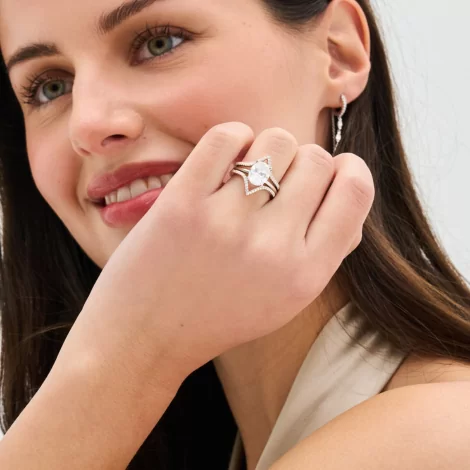
(from top to bottom) Marquise Diamond Chain Earrings – ERS1065, Curved Chevron Diamond Wedding Band – B0107, and Oval Cut Solitaire Engagement Ring – Dominique
Ethical & Sustainable Sourcing – Diamond vs Gemstone Engagement Rings
Today, many couples want their engagement ring to reflect not only personal style but also responsible values. The sourcing of diamonds and gemstones plays a significant role in ensuring ethical practices and long-term sustainability.
Sourcing & Certification for Diamond and Gemstone Rings
Diamonds are often accompanied by certification that verifies authenticity, quality, and in some cases, adherence to conflict-free sourcing standards. Well-known grading labs, such as (GIA), provide assurance of a diamond’s attributes. Gemstones, however, present more complexity. While some high-value stones may include origin reports, standardized certification is less common, and sourcing practices can vary widely depending on the region and mining methods.
Choosing an Ethically Sourced Gemstone or Diamond Engagement Ring
For many couples, it isn’t just about how the ring looks, it’s about how it was made. Ethically sourced diamonds follow conflict-free standards, while responsibly mined gemstones support fair labor and reduced environmental impact. Knowing where to buy your engagement ring ensures you work with a Sylvie Authorized Retailer who can provide transparency on origin, certification, and ethical practices, making it easier to choose a ring that feels beautiful inside and out.
Choosing the Right Diamond or Gemstone Engagement Ring
The best ring balances beauty, meaning, and practicality. Considering lifestyle, budget, and personal style helps couples decide whether a diamond or gemstone engagement ring is the right fit.
Matching Stone & Setting to Your Lifestyle – Gemstone vs Diamond Rings
Because an engagement ring is worn every day, durability plays an important role in choosing between diamonds and gemstones. Diamonds remain the most resilient option, while gemstones can be just as practical when paired with protective settings like bezels or halos. For women with active lifestyles, exploring engagement ring styles built for everyday wear can help ensure the design feels both secure and true to personal style.
Budget & Priorities in Choosing a Gemstone vs Diamond Engagement Ring
Diamonds generally command higher prices, especially as carat weight and quality increase. Gemstones may present a more accessible option, but their costs vary widely depending on rarity and origin. Deciding what matters most, durability, size, color, or symbolism, helps set a realistic budget. Some couples choose smaller diamonds with higher quality, while others prefer larger or more vibrant gemstones within the same price range. If you’re weighing these choices, exploring our guide on understanding the cost of engagement rings can provide clarity on how pricing works and what to expect.
Style Preferences – Classic Diamond vs Colourful Gemstone Engagement Rings
Diamonds offer timeless appeal, seamlessly blending with any setting and metal. They suit couples who value tradition and versatility. Gemstones, on the other hand, allow for individuality through bold or subtle color. Choosing a gemstone vs diamond engagement ring ultimately comes down to which aesthetic feels most aligned with personal taste and the story the couple wants to tell.
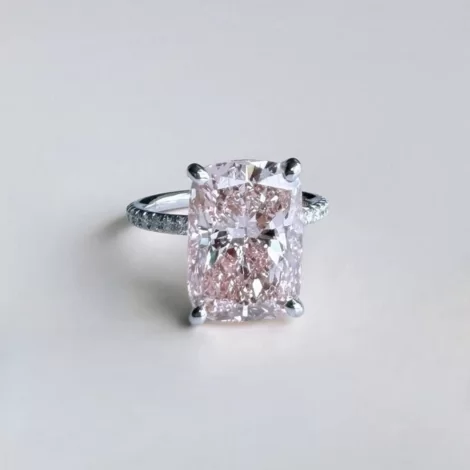
Classic Engagement Ring – Vanessa with custom Cushion Pink Sapphire Center Stone
Gemstone vs Diamond Engagement Ring Comparison
Comparing gemstones and diamonds side by side highlights the qualities that most influence a couple’s decision. Factors such as cost, appearance, durability, and symbolism shape how each stone type fits into an engagement ring. For many couples, understanding why diamonds are often chosen for engagement rings provides helpful context when weighing the appeal of colorful alternatives.
Price, Hardness, Colour Variety & Symbolism – Diamond vs Gemstone
Diamonds sit at the higher end of the price spectrum, largely due to consistent grading systems and global demand. They are unmatched in brilliance and durability, which makes them a practical yet prestigious choice. Their symbolism centers on permanence and resilience, reinforcing their reputation as the traditional engagement stone.
Gemstones, on the other hand, bring diversity through color and personal meaning. Their value can range widely, from the premium status of rare rubies and sapphires to the affordability of stones like amethyst or topaz. Symbolically, colored gemstones give couples a chance to express individuality, marking personal milestones or values in addition to love.
Mohs Hardness vs Average Cost
Diamonds, with maximum hardness, are positioned as both the most durable and often the most expensive choice. However, cost does not always correlate directly with durability. Some gemstones, such as morganite or aquamarine, may be softer yet more affordable, making them appealing for those who prioritize size or color over long-term wear. Conversely, high-quality sapphires and rubies, while slightly less durable than diamonds, can command similar or higher prices due to rarity and color intensity.
Recommended Sylvie Designs
From colorful three-stone engagement rings to bold modern styles, our engagement rings offer options that celebrate both tradition and individuality. Below are standout designs showcasing diamonds and gemstones in unique expressions of love.
H3: Best Diamond Engagement Ring Styles from Sylvie
Diamond-centered designs remain a favorite for their brilliance and enduring appeal. These rings highlight how diamonds can be paired with vibrant accents or intricate detailing for a distinctive yet classic look.
Shell Auranova Half Bezel Pavé Engagement Ring with Shell Tip Silhouettes – Mariselle S3610
Mariselle showcases Sylvie’s Shell Auranova profile through a modern half-bezel design that softly cradles the center diamond. Sculpted Shell tip silhouettes rise to meet the stone, creating a fluid sense of movement while maintaining strength and balance. A pavé-set band adds refined dimension, offering subtle texture without overpowering the center. This engagement ring is designed for those drawn to architectural detail and intentional craftsmanship, blending sculptural form with enduring elegance.
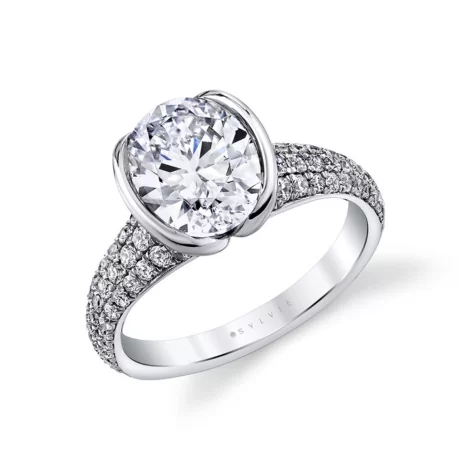
Auravie Flush Set Diamond Engagement Ring – Fallon S3609
Fallon is defined by its clean geometry and confident simplicity. Part of the Auravie collection, this engagement ring features flush-set diamonds along the band, creating a smooth, uninterrupted surface that feels contemporary and effortless. The design allows the center diamond to remain the focal point while the structured band adds quiet strength and visual rhythm. Fallon is ideal for those who appreciate modern design with a grounded, wearable presence.
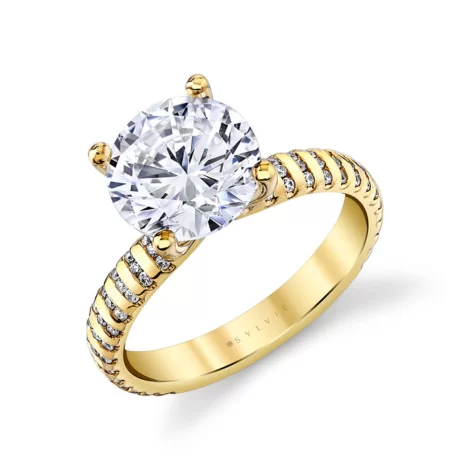
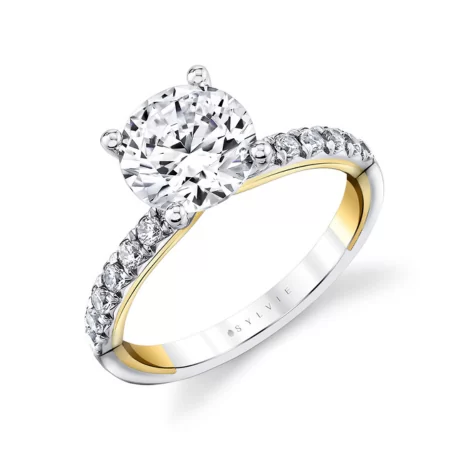
Iconelle Halfway Pinch Two Tone Engagement Ring – Katya S5028
Katya brings contrast and precision together through our signature Shell Iconelle design language. The halfway pinch silhouette creates a gentle contour toward the center diamond, while the two-tone metal design adds depth and definition from every angle. Thoughtfully balanced proportions and refined detailing give this engagement ring a sculptural feel without excess. Katya is designed for those who value individuality, subtle contrast, and a modern interpretation of classic form.
Best Gemstone Engagement Ring Styles from Sylvie
For couples seeking individuality, gemstone rings deliver rich color and unique expression. These designs were selected for their customizable optionality for how vibrant stones can pair seamlessly with diamond craftsmanship and Sylvie’s signature profiles (Note: all images are shown with a diamond center stone, but can be customized for a gemstone center stone).
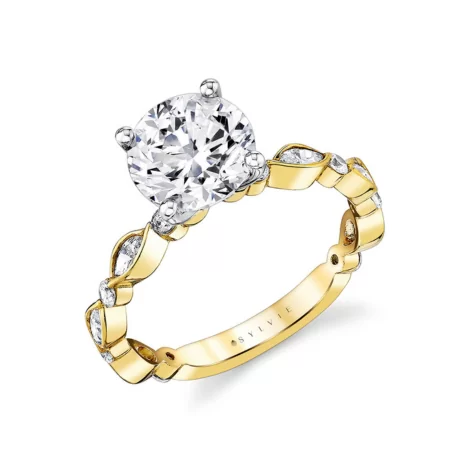
Tulira Vine Inspired Engagement Ring – Xyris
Xyris is inspired by organic movement and natural growth, making it an ideal foundation for a gemstone engagement ring rich in symbolism. Sculpted vine-inspired details wrap the band with gentle curves, allowing colored gemstones to feel integrated rather than simply set. When paired with a sapphire, emerald, or other vibrant stone, the design highlights color depth while maintaining balance and elegance. Xyris is well suited for those drawn to romantic forms, nature-inspired motifs, and gemstone engagement rings that feel expressive yet refined.
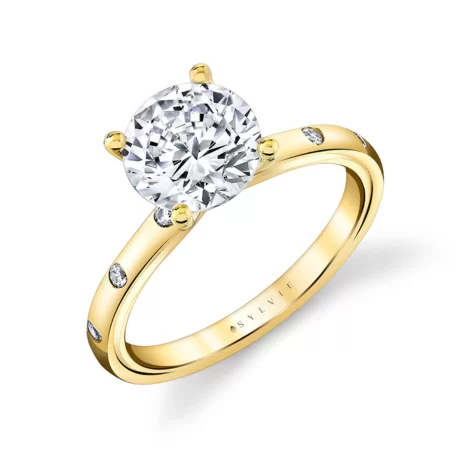
Iconelle Flush Set Round Engagement Ring – Sedona
Sedona offers a clean, contemporary canvas for a gemstone engagement ring. Part of the Iconelle collection, this design features flush-set diamonds along the band, creating a smooth profile that allows a colored center stone to take focus without distraction. Gemstones such as sapphire or morganite pair beautifully with Sedona’s streamlined silhouette, letting color become the defining element of the ring. This style is ideal for those who prefer modern structure with subtle detailing and a comfortable, everyday-ready design.
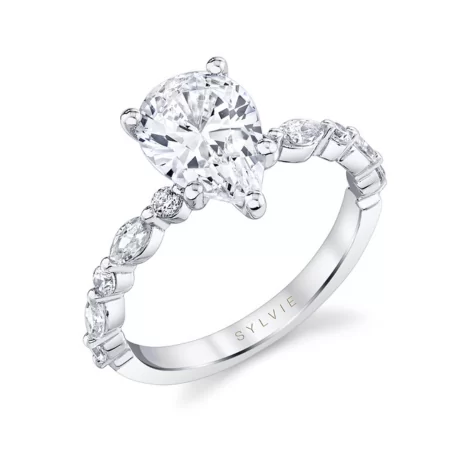
Pear Shaped Unique Engagement Ring – Felicity
Felicity is designed to highlight the graceful shape of a pear-cut center stone, making it especially compelling for gemstone engagement rings. The elongated silhouette naturally enhances color saturation and visual presence, allowing gemstones such as sapphire, emerald, or morganite to feel vibrant and expressive. Delicate accent diamonds along the band add soft contrast while maintaining focus on the center stone’s unique form. Felicity is ideal for those drawn to individuality, fluid lines, and gemstone engagement rings that feel both distinctive and balanced.
Final Thoughts: Gemstone vs Diamond Engagement Rings
Choosing between a gemstone vs diamond engagement ring is ultimately a personal decision shaped by lifestyle, values, and the story you want your ring to tell. Diamonds offer unmatched durability, brilliance, and a long-standing tradition rooted in permanence and clarity. Gemstones, on the other hand, introduce color, symbolism, and individuality, allowing couples to express meaning through hue, history, or personal milestones.
There is no single right answer, only the choice that feels most aligned with your relationship. Whether you’re drawn to the timeless strength of a diamond or the expressive character of a gemstone, the most meaningful engagement ring is one designed with intention, craftsmanship, and care. Working with a Sylvie Authorized Retailer allows you to explore both paths thoughtfully, ensuring your ring reflects not just beauty, but the life you’re building together.
FAQs About Gemstone vs Diamond Engagement Rings
Are Gemstone Engagement Rings Durable for Everyday Wear?
Durability depends on the stone. Diamonds are the hardest, while sapphires and rubies also hold up well. Softer gems, like emerald or morganite, may require more mindful wear.
Do Diamonds Always Cost More Than Gemstones?
Not always. High-quality rubies, sapphires, and emeralds can rival or exceed diamond prices, while stones like amethyst or aquamarine are usually more affordable.
Which Gemstones Are Best for Engagement Rings?
Sapphires, rubies, and spinel are excellent for everyday wear due to their hardness. Emeralds, aquamarine, and morganite are popular but need gentler care.
Are Diamonds Considered Gemstones?
Yes. Diamonds are technically gemstones, but they are often set apart because of their unique hardness, brilliance, and global recognition.
What Metals Pair Best with Diamond and Gemstone Engagement Rings?
Platinum and white gold highlight cool stones and diamonds, while yellow or rose gold bring warmth and contrast, especially with colored gems.
How Do I Care for a Gemstone or Diamond Engagement Ring?
Regular gentle cleaning, safe storage, and yearly jeweler checkups help preserve both diamond and gemstone rings. Softer stones may require extra caution.
Do Gemstone Engagement Rings Have Resale Value?
Diamonds usually retain more consistent resale value, while gemstone value varies by rarity, color, and market demand.