Different types of earring backs can change how your diamond earrings feel, sit, and stay in place throughout the day. While the front of an earring gets most of the attention, the backing quietly does the work, supporting comfort, protecting your ears, and giving you confidence that your jewelry is secure. From everyday studs to statement drops, the right earring back helps balance weight, reduce irritation, and prevent accidental loss.
If you’ve ever adjusted an earring that tilts forward, felt soreness after hours of wear, or worried about misplacing a favorite pair, the solution often starts behind the ear. Earring backs are designed with different lifestyles, preferences, and earring styles in mind, which is why there is no single option that works for everyone.
This guide walks you through the different types of earring backs, explaining how each style functions and when it makes sense for your needs and comfort, everyday wear.
Why Earring Backs Matter for Security & Comfort
Earring backs play a quiet but critical role in how secure and comfortable your earrings feel from morning to night. Even the most thoughtfully designed earrings can fall short if the backing doesn’t properly support the piece. The right backing helps keep earrings in place, protects your earlobes from strain, and reduces the risk of irritation or loss. When your earrings feel stable and balanced, you’re free to move through your day without constantly checking or adjusting them unnecessarily often.
How Earring Back Design Affects Security and Comfort
When an earring back doesn’t align with your needs, the effects show up quickly. A poor fit can allow earrings to shift, pull forward, or loosen over time, increasing the chance of loss. Discomfort often follows, especially when pressure is uneven or weight isn’t properly supported.
Over hours of wear, that strain can lead to soreness or sensitivity that makes you eager to take your earrings off. A secure, well-considered backing creates a sense of ease. You trust that your earrings will stay where they belong, letting you focus on the moment instead of your jewelry. It supports confidence during busy days and meaningful occasions alike without added worry today.
That sense of security isn’t just practical; it’s personal. Knowing your earrings are comfortable and stable changes how you wear them, how long you keep them on, and how confidently you move. When the backing works in harmony with the design, your jewelry feels effortless, allowing it to become part of your day rather than a distraction in real life.
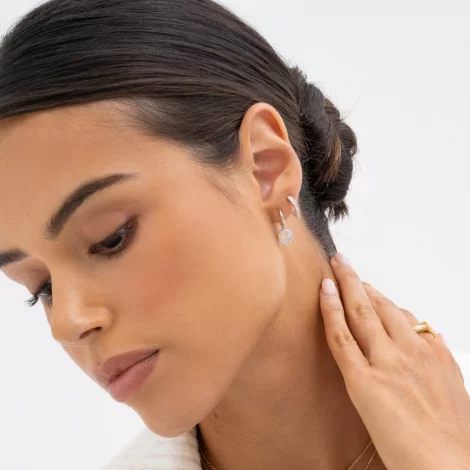
(from left to right) Shell Héritage Shell Trio Dangle Diamond Earrings – ERS1043, Shell Héritage Baguette Hoop Earrings – HPS1008, and Shell Héritage Shell Tip Diamond Ring – RS1022
Overview of Common Earring Back Types
Understanding the different types of earring backs helps you choose styles that align with how you wear jewelry, not just how it looks. Each option is designed with a specific purpose in mind, whether that’s ease of wear, added reassurance, elegant movement, or accessibility. Some earring backs prioritize simplicity, while others focus on long-term wear or additional support. Below, you’ll find an overview of the most common earring back types, how they function, and what makes each one distinct in everyday wear.
Push Back Earring Backs (Friction / Butterfly Backs)
Push back earring backs, often called butterfly or friction backs, are one of the most recognizable styles. They slide onto a straight post and stay in place through gentle tension.
Their familiarity makes them easy to use, even if you’re changing earrings quickly. This type of backing keeps the profile behind the ear minimal, which many people appreciate for daily wear. Because they’re lightweight and straightforward, push backs are frequently paired with stud earrings and delicate designs. Over time, they may loosen slightly, which is why occasional adjustment or replacement helps maintain a secure, comfortable fit.
Because of their simplicity, push back earring backs often serve as a starting point for understanding how backing styles influence daily wear.
Screw Back Earring Backs (Threaded Posts)
Screw back earring backs are designed to stay firmly in place through a threaded post that twists into the backing. This mechanism creates a secure connection that doesn’t rely on tension alone, offering added reassurance once fastened. Many people appreciate how this style allows them to wear earrings with confidence, knowing the backing won’t slip off easily.
While they take a little more time to put on, the tradeoff is a sense of stability that supports longer wear. When adjusted correctly, screw backs feel snug without pressing uncomfortably against the ear, making them a thoughtful option for frequent or extended use.
Once security becomes a priority, some designs take protection a step further by introducing locking mechanisms rather than threads.
Secure Lock Earring Backs (La Pousette / Guardian Backs)
Secure lock earring backs, often referred to as La Pousette or Guardian backs, use a locking system that clicks into place on the post. To remove them, you gently press side tabs, releasing the lock. This design provides a strong sense of assurance without requiring twisting or tightening. The slightly wider backing also helps distribute weight more evenly behind the ear, which can enhance comfort. Because of their locking function, these backs are commonly associated with fine jewelry where peace of mind matters most. They’re designed to feel intuitive once you’re familiar with how they open and close.
While locking backs focus on stability, other earring back types are built around movement and visual flow.
Lever Back Earring Backs
Lever back earring backs are commonly used for drop and dangle earrings. A curved wire passes through the ear and closes with a hinged lever, forming a continuous loop. This structure allows earrings to move naturally while remaining securely closed.
Many people enjoy the ease of hearing or feeling the soft click when the lever locks into place. Lever backs also help distribute weight along the ear, which can feel more balanced during extended wear. Their design pairs well with earrings meant to sway gently, adding both function and elegance without requiring separate backing pieces.
As earrings grow in size or structure, closures may incorporate more support to maintain balance and alignment.
Latch Back & Omega Back Earring Closures
Latch back and omega back earring closures are often seen on hoops and structured earrings. Hinged latch backs snap closed, forming a complete circle that stays secure during movement. Omega backs, shaped like the Greek letter Ω, rest behind the ear and provide additional support for heavier designs. These styles help keep earrings upright, preventing forward tilt.
While they add a bit more structure behind the ear, many wearers find the added stability worthwhile. Proper fit is key, as these closures can be adjusted to sit comfortably against the earlobe.
Some earrings prioritize fluidity over structure, using minimal hardware to create a lighter, freer feel.
French Wire Earring Backs (Fish Hooks)
French wire earring backs, also known as fish hooks, are defined by their long, curved wire that passes through the ear. Rather than locking into place, they rely on shape and balance to stay put. This design allows earrings to move freely and feel light during wear. French wires are commonly used for artistic or casual drop earrings and are easy to put on and take off. Because they don’t close fully, some wearers add small stoppers for extra reassurance, especially during longer wear.
Not all earring backs are designed for pierced ears, and accessibility plays an important role in closure design.
Clip-On Earring Backs (Non-Pierced Options)
Clip-on earring backs are designed for ears without piercings, using pressure or hinged clips to secure the earring in place. Modern designs often include padding or adjustable tension to improve comfort during wear.
While they require careful fitting to avoid pinching, clip-ons allow flexibility in styling without committing to piercings. These backs are typically paired with fashion-forward or occasional earrings rather than everyday fine jewelry. When adjusted properly, they offer a practical way to enjoy earrings while prioritizing comfort and wearability.
Flat Back Earring Backs (Labret-Style Posts)
Flat back earring backs, often called labret or threadless backs, feature a smooth disc that rests flat against the back of the ear. You’ll most commonly see this style used for cartilage piercings such as the helix or tragus, as well as stud earrings designed for continuous, everyday wear. Depending on the design, the post may insert from the front or the back, with the flat disc providing a clean, low-profile finish behind the ear.
The primary advantage of flat backs is comfort. Because nothing protrudes, they’re easy to sleep in and less likely to cause irritation when talking on the phone or wearing headphones. They’re also very secure, often using push-in or threaded mechanisms. While not yet standard across all fine jewelry, flat backs are a growing preference for those seeking 24/7 wear. If daily comfort is a priority, your jeweler can help explore flat back options that align with your lifestyle.
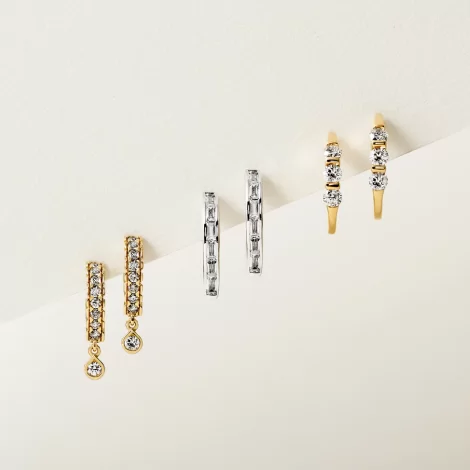
(from left to right) Shell Héritage Bezel Shell Diamond Drop Earrings – ERS1039, Shell Héritage Baguette Hoop Earrings – HPS1008, and Shell Héritage Spaced Diamond Hoop Earrings – HPS1007
How to Choose the Right Earring Back for Your Needs
Choosing the right earring back comes down to how you wear your jewelry, how it feels on your ear, and what you expect from it throughout the day. While different types of earring backs are often chosen by design, understanding a few key decision-making factors helps you feel confident that your earrings will stay secure, comfortable, and well-balanced in real life.
Choosing Earring Backs Based on Earring Style and Weight
The style and weight of your earrings should guide your decision more than anything else. Lightweight studs typically require less structural support, while larger designs place more demand on the earlobe. When weight isn’t evenly balanced, earrings can tilt forward or feel strained by the end of the day. A well-matched backing helps stabilize the piece so it sits as intended. This becomes especially important when wearing multiple earrings at once, where proportion and spacing affect both comfort and appearance. Understanding how different back styles work together can elevate your approach to how to stack earrings, ensuring each piece sits comfortably without competing for support.
Selecting Earring Backs That Match Your Lifestyle and Security Needs
Your daily routine plays a significant role in determining which earring back types make the most sense. If you’re active, on the go, or plan to wear earrings during long events, security becomes a priority. More secure backs help reduce the chance of loosening or accidental loss. On the other hand, if you frequently change earrings throughout the week, convenience may matter more than maximum hold. Lifestyle considerations also extend to family life—those with young children may prefer earring backs that are harder to remove, offering peace of mind during everyday interactions.
Prioritizing Comfort and Addressing Metal Sensitivities
Comfort is essential for earrings you wear daily. Some earring backs feature smooth, covered ends that rest gently against the ear, while others may have open posts that can feel intrusive over time. Fit and finish matter, especially if you’re wearing earrings for extended periods. Metal sensitivity is another important factor. Choosing hypoallergenic materials such as 14K or 18K gold or platinum helps reduce irritation. For added comfort, some people opt for silicone earring backs as soft alternatives, especially when wearing earrings for long stretches, though they may need more frequent replacement.
Special Considerations for Children’s Earrings and New Piercings
Certain situations call for extra care when selecting earring back types. For children, secure backs with smooth, rounded ends help reduce irritation and make it difficult for little hands to remove earrings. These designs also minimize exposure to sharp posts. For new piercings, comfort-focused backs that don’t compress the ear too tightly are often recommended to allow for proper healing. Showing awareness of these scenarios reinforces the importance of choosing earring backs thoughtfully, even beyond everyday wear.
How Earring Back Size and Design Affect Appearance
While often hidden, earring backs can subtly influence how earrings look when worn. A backing that’s too small may allow an earring to tilt, while a larger or more supportive option can help the piece sit upright. Some wearers choose oversized comfort backs specifically to improve balance and appearance. Decorative earring backs also exist, though they’re more novelty-driven. In fine jewelry, the focus is typically on keeping the back discreet while ensuring the earring presents beautifully from the front.
Tips for Caring for Your Earring Backs
Caring for your earring backs helps maintain both comfort and performance over time. Because they sit directly against the ear, backs can collect natural oils and residue more quickly than the front of the earring.
Cleaning them regularly with mild soap and warm water, then drying thoroughly, helps keep them hygienic and comfortable to wear. It’s also worth checking earring backs periodically for signs of wear, such as loosened tension or reduced grip, which can develop with frequent use.
Proper storage matters as well. Keeping earring backs paired with their earrings reduces the chance of misplacement and ensures consistent fit. If a backing no longer feels secure or comfortable, replacing it promptly can prevent loss or irritation. A Sylvie Authorized Jeweler can assist with adjustments or replacements, helping ensure your earrings continue to feel reliable and easy to wear.

Sylvie’s Approach to Different Earring Backs
At Sylvie Jewelry, every detail is considered with long-term wear in mind, including what sits behind the ear. While earring backs are often overlooked, they play a meaningful role in comfort, movement, and how confidently you wear your jewelry day after day. Our designs are created to feel natural on the ear, with proportions and construction that allow earrings to move with you rather than work against you. And because no two wearers are exactly alike, flexibility and personalization are always part of the experience.
Diamond Earrings Designed to Move and Grow With You
Sylvie diamond earrings are designed with lasting comfort at the forefront, whether you’re wearing them for a few hours or all day. Thoughtful balance, smooth finishes, and well-matched earring backs help reduce pressure and support natural movement. When you shop with a Sylvie Authorized Retailer, you’re not just selecting a style, you’re gaining a partner in fit and wearability. Your retailer can help you choose the most suitable earring back for your lifestyle or explore alternative options over time, ensuring your earrings continue to feel as good as they look.
Our Favorite Diamond Earring Styles
Each Sylvie earring style is designed to highlight both form and function. From sculptural drops to modern cuffs, these designs showcase how comfort, movement, and craftsmanship come together seamlessly.
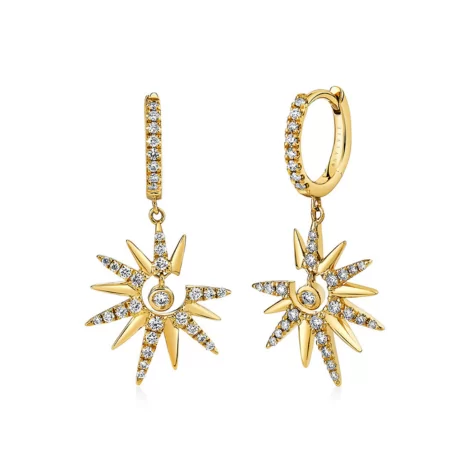
Solaz Sun Rays Diamond Drop Earrings – ERS1045
The Solaz Sun Rays Diamond Drop Earrings are designed to capture light and motion with every step. Radiating gold rays surround diamond accents, creating a dynamic silhouette that feels expressive yet balanced. The drop design allows for graceful movement, while thoughtful proportions help ensure comfortable wear throughout the day or evening.
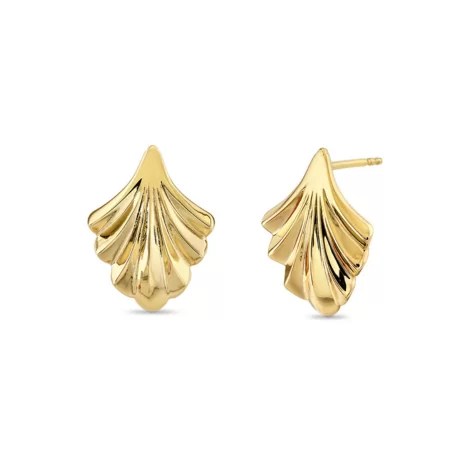
Auravie Shell Sculpted Earrings – ERS1019
Inspired by Sylvie’s signature Shell motif, the Auravie Shell Sculpted Earrings offer a refined, sculptural presence. Their smooth, contoured form sits comfortably against the ear, making them an easy choice for extended wear. These earrings reflect Sylvie’s design philosophy, organic, intentional, and deeply connected to comfort and craftsmanship.
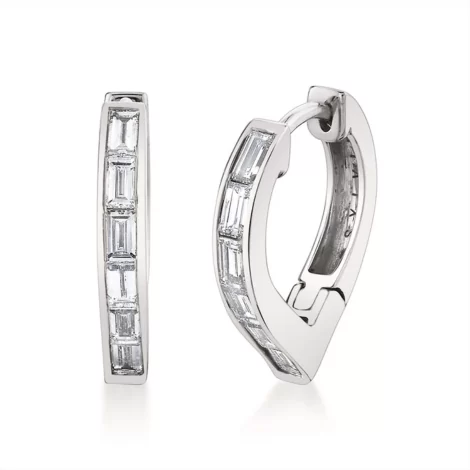
Shell Héritage Baguette Hoop Earrings – HPS1008
The Shell Héritage Baguette Hoop Earrings blend architectural structure with everyday ease. Set with baguette-cut diamonds, these hoops offer a clean, modern channel profile while maintaining a secure, comfortable fit. Their hinged design supports smooth wear and stability, making them ideal for those who appreciate polished style without sacrificing practicality.
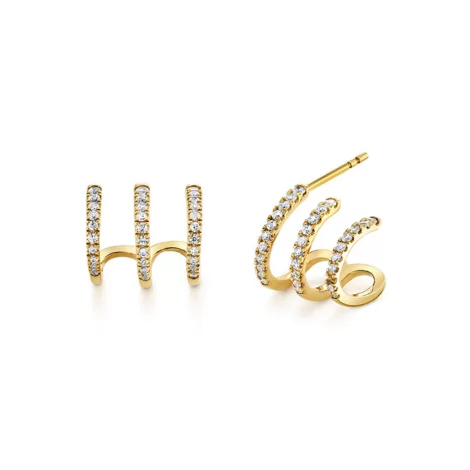
Éternelle Diamond Ear Cuffs – ERS1013
The Éternelle Diamond Ear Cuffs bring versatility and modern edge to your jewelry wardrobe. Designed to hug the ear comfortably, these cuffs add dimension without the need for additional piercings. Their lightweight construction and secure fit make them an effortless option for layering or wearing solo.
Shell Bezel Diamond Chain Earrings – ERS1030
Graceful and fluid, the Shell Bezel Diamond Chain Earrings are designed for natural movement. Bezel-set diamonds trace a delicate chain drop, offering flexibility that feels light on the ear. The Shell bezel at the stud anchors the design comfortably, making these earrings as wearable as they are expressive.
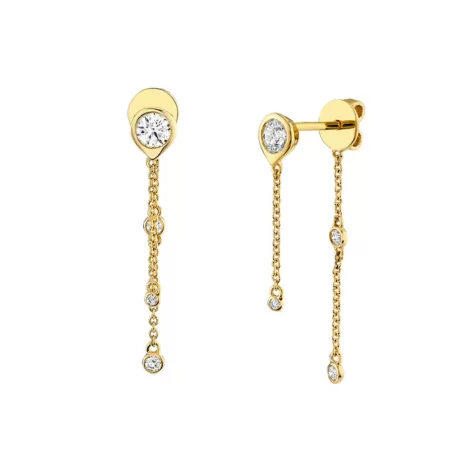
Together, these styles reflect Sylvie’s belief that beautiful jewelry should feel effortless, supported by thoughtful design choices that consider every detail, front to back.
Frequently Asked Questions About Different Types of Earring Backs
Understanding how different earring backs work helps you feel more confident choosing styles that support comfort, security, and everyday wear.
What are the different types of earring backs called?
There are several common names you’ll encounter, including push backs, screw backs, locking backs, lever backs, latch backs, French wires, and clip-on earring backs. Each name reflects how the backing functions rather than how the earring looks.
Which type of earring back is the most secure?
The most secure option depends on how you define security. Some earring backs are designed to resist loosening over time, while others focus on staying firmly closed during movement or long wear.
What earring backs are best for heavy earrings?
Heavier earrings benefit from backs that provide added support behind the ear. These styles help balance weight and keep earrings from tilting forward throughout the day.
Are screw back earrings better than push backs?
Screw back earrings aren’t better for everyone, but they offer a different experience. They prioritize stability and reassurance, while push backs focus on simplicity and ease of use.
What earring backs are best for sensitive ears?
Sensitive ears often respond best to backs that fit smoothly and evenly without excess pressure. Material choice and overall comfort tend to matter more than the closure style alone.
Final Thoughts on Different Types of Earring Backs
Understanding the different types of earring backs allows you to make more confident, comfortable choices about the jewelry you wear every day. While earring design often draws the eye, what sits behind the ear plays an equally important role in how earrings feel, move, and stay secure. By considering factors like style, weight, lifestyle, and long-term comfort, you can choose earring backs that truly support the way you live.
Whether you’re refining your everyday essentials or exploring new styles, thoughtful details make all the difference. A trusted jeweler can help you evaluate options over time, ensuring your earrings continue to feel balanced, secure, and easy to wear, so they remain a natural part of your story, not something you have to think about.