Sapphires are best known for their striking deep blue hue, but this cherished gemstone comes in a full spectrum of colors, each with its own rarity, symbolism, and beauty. From vivid pinks to sunny yellows and even rare padparadscha tones, sapphire color variations offer a world of possibilities for fine jewelry. Understanding what color is a sapphire can help you choose the shade that reflects your style and personal meaning.

What Is a Sapphire? Origins, Composition & Color Basics
Formed deep within the earth under intense heat and pressure, sapphires are part of a mineral family prized for both beauty and durability. Their color range and symbolic meaning, often linked to qualities like loyalty, wisdom, and prosperity, are shaped by mineral composition, trace elements, and geological origin.
What Makes a Gem a Sapphire?
Sapphires are a variety of the mineral corundum, composed primarily of aluminum oxide. Ranking 9 on the Mohs hardness scale, they are second only to diamonds in durability, making them an ideal choice for engagement rings and heirloom jewelry.
The only difference between a sapphire and a ruby is color: when corundum’s dominant hue is red, caused by high chromium content, it is classified as a ruby. Any other hue, including blue, pink, yellow, green, purple, white, and black, falls into the sapphire category.
When considering what color is a sapphire, it’s important to remember that the term covers far more than the deep blue that first comes to mind. Each sapphire color variation results from specific trace elements interacting with the crystal structure during formation. This chemistry creates a spectrum of possibilities, each with its own sapphire color meaning, from loyalty and wisdom in blue sapphires to vitality in yellow and romance in pink. If you’d like to explore how sapphires have been valued and worn throughout history, our in-depth history of sapphire guide offers a detailed look at their cultural and symbolic journey.
Why Are Sapphires Traditionally Blue?
The enduring image of the sapphire as a royal blue gemstone comes from the presence of iron and titanium in its crystal lattice. These elements absorb particular wavelengths of light, producing the rich blue tone that has been treasured for centuries. Historical associations reinforced this perception, blue sapphires adorned crowns, religious icons, and ceremonial rings as symbols of loyalty, protection, and divine favor.
This long-standing preference helped cement blue as the “classic” answer to what color is sapphire stone, even though nature produces the gem in nearly every color. While blue remains the most recognized, modern collectors and designers embrace the full sapphire color chart, exploring rare shades like padparadscha, teal, and bi-color stones. Each variation tells its own story, proving that sapphires are as diverse as the people who wear them.
From a gemological perspective, the traditional blue sapphire remains an icon because it balances rarity, durability, and cultural significance. Yet, for those asking does sapphire come in different colors, the answer is a definitive yes, inviting endless possibilities for personal expression in fine jewelry.
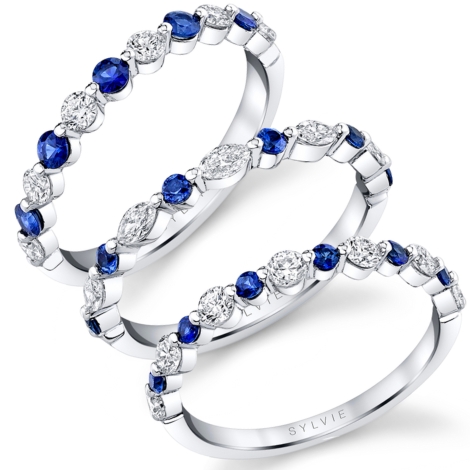
(from top to bottom) Blue Sapphire and Diamond Wedding Band – B1P11, Blue Sapphire and Diamond Ring with Marquise Shaped Diamonds – B1P11, and Shared Prong Wedding Band with Alternating Sapphires – B1P13
What Gives Sapphires Their Color? A Guide to Trace Elements
The color of a sapphire is determined by tiny amounts of other elements within its crystal structure. These trace elements absorb and reflect light in specific ways, creating the wide range of natural hues sapphires are known for.
Blue Sapphires – Iron and Titanium
Blue is the most recognized answer to what color is a sapphire, and its origin lies in the interplay of iron and titanium. When both are present in corundum, they create intervalence charge transfer, an effect that produces the deep, velvety blues most associated with sapphire color meaning. Varying amounts of these elements influence tone and saturation, from pale sky blue to inky midnight shades. Some regions, such as Kashmir and Sri Lanka, are renowned for producing cornflower blue sapphires with a soft, luminous quality prized in high jewelry. These are considered among the most valuable sapphire colors, with rarity and origin further enhancing their desirability.
Pink & Purple Sapphires – Chromium’s Influence
Chromium is the key trace element responsible for pink sapphires. The more chromium present, the deeper and more vivid the color, shifting towards purplish-pink or magenta. If chromium levels increase enough to produce a dominant red hue, the gem is classified as a ruby. Sapphires in this range are often sourced from Sri Lanka, Myanmar, and Madagascar. Their value is generally high, especially for stones with rich saturation and minimal inclusions.
Yellow & Orange Sapphires – Iron and Chromium Balance
Yellow sapphires owe their color primarily to iron, with intensity linked to the concentration of iron atoms within the crystal lattice. When iron combines with small amounts of chromium, the result can be a vivid orange. Yellow and orange sapphires are often found in Sri Lanka and Tanzania, with golden-orange tones commanding higher prices. Their sapphire color meaning is tied to joy, vitality, and prosperity, making them a vibrant choice for personal and symbolic jewelry.
Green Sapphires – Iron and Vanadium Mix
Green sapphires are colored by a combination of iron and vanadium. Tones can range from soft mint to deep forest green, and slight zoning, areas of lighter and darker shades, can add unique visual interest. Australia, Montana, and Madagascar are notable sources, with medium to deep greens generally more sought-after among collectors.
White, Grey & Black Sapphires – Inclusions and Absence of Chromophores
When corundum lacks chromophores, color-causing trace elements, it appears white or colorless, reflecting light with pure brilliance. Grey sapphires typically form from a mix of elements or fine inclusions that mute vivid color, creating a cool, understated appearance. Black sapphires, often from Australia and Thailand, are colored by dense inclusions that create a bold, opaque finish. These colors are generally less rare but valued for their distinctive, modern look.
Rare Sapphire Colors & Phenomena: Padparadscha, Teal, Bi-color
The padparadscha sapphire is one of the rarest and most valuable sapphire colors, blending delicate pink and orange tones through a precise balance of chromium and iron. Found mainly in Sri Lanka and Madagascar, fine examples are exceptionally scarce. Teal sapphires combine blue and green tones, often from Montana or Australia, and have become increasingly popular in contemporary designs. Bi-color sapphires, showing two distinct hues in a single crystal, are rare and visually striking, with notable sources including Madagascar and Tanzania.
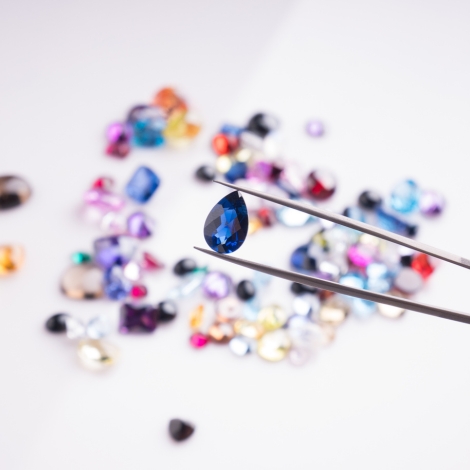
Exploring the Full Spectrum of Sapphire Colors
Sapphires exist in an extraordinary range of hues, each shaped by the earth over millions of years. From the most iconic deep blues to rare and fiery blends, the sapphire color chart reveals a spectrum as varied as the stories these gemstones tell.
Blue Sapphire: Shades, Sources & Symbolism
When most people wonder what color is a sapphire, they picture the velvety deep blue of the classic gemstone. This color forms when trace amounts of iron and titanium bond within corundum’s crystal structure. Blue sapphires range from light sky blue to vivid royal and inky midnight shades. Sought after for their association with loyalty, wisdom, and integrity, they are sourced from regions such as Sri Lanka, Myanmar, and Madagascar. The finest stones often feature rich saturation with a balanced tone, ensuring brilliance in any light. As the traditional September birthstone, blue sapphires also carry a special connection to those born in early autumn, explored in more depth in our September birthstones guide.
Pink & Purple Sapphires: Romance and Royalty
Infused with chromium, pink and purple sapphires radiate warmth and femininity. Pink stones can be soft and pastel or intense and vibrant, while purple sapphires range from lavender to deep plum. Historically favored by royalty for their rarity and luxurious appeal, these hues symbolize romance, creativity, and emotional strength.
Yellow & Orange Sapphires: Joy and Energy
When iron content shifts in just the right way, sapphires form in sunny yellows or bold, golden orange tones. Yellow sapphires are often linked to optimism, clarity, and prosperity, while orange sapphires convey vitality and enthusiasm. Highly saturated stones from Ceylon are especially prized for their luminous warmth.
Green Sapphires: Nature’s Tranquility
A blend of iron and vanadium gives green sapphires their earthy tones, from pale mint to forest green. These sapphires carry a calm, grounding energy and are a unique alternative for those seeking a distinctive engagement ring. Their subtle yet complex color can shift depending on lighting conditions, adding depth to their charm.
White & Grey Sapphires: Modern Minimalism
Free from strong trace elements, white sapphires offer a clear, icy brilliance that appeals to those who love a diamond-like sparkle but with a unique twist. Grey sapphires, often accented by fine inclusions, exude understated elegance. Both choices pair beautifully with modern, minimalist designs and reflect a clean, architectural aesthetic.
Black & Brown Sapphires: Bold and Mysterious
Opaque and dramatic, black and brown sapphires are statement stones. They form when high concentrations of iron or other inclusions create deep, saturated tones. These sapphires are perfect for bold, unconventional designs that embrace mystery and strength.
Padparadscha & Other Rare Colors: The Pinnacle of Rarity and Value
At the height of sapphire desirability sits the padparadscha, a rare blend of pink and orange reminiscent of a tropical sunset. These stones are exceptionally scarce and command premium prices. Other unique variations include teal sapphires, which combine blue and green tones, and bi-color sapphires displaying multiple hues in a single gem. Collectors prize these rare sapphire colors for their individuality and natural artistry, making them true treasures within the sapphire gemstone family.
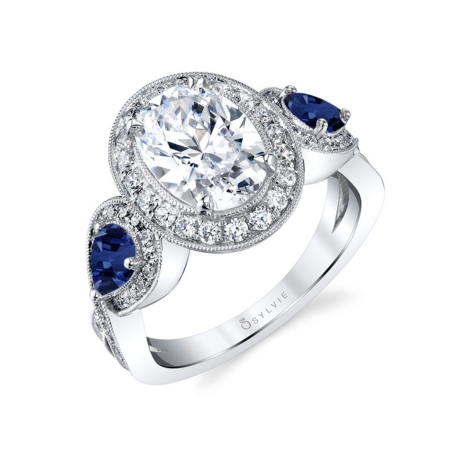
Choosing the Right Sapphire Color for Your Ring
The color of a sapphire can transform the overall mood and aesthetic of a ring. Considering metal type, setting style, and personal coloring ensures your gemstone feels both visually balanced and deeply personal.
Matching Sapphire Colors with Ring Metals & Settings
The right metal enhances a sapphire’s tone and depth. Blue sapphires often shine brightest in cool-toned metals like platinum or white gold, which amplify their brightness. Yellow sapphires gain warmth in yellow gold, while rose gold complements pink or padparadscha sapphires with a romantic finish. For modern contrast, pairing deep green or teal sapphires with white metals creates a striking, contemporary edge. Settings also matter, halo designs intensify color, while solitaires spotlight the stone’s natural saturation.
Choosing Sapphire Colors Based on Skin Tone & Style
Skin tone can influence how a sapphire appears when worn. Cool undertones pair well with blue, purple, and teal sapphires, while warm undertones complement yellow, orange, and padparadscha hues. Neutral undertones offer flexibility across the spectrum. Style preferences play a role too: minimalists may gravitate toward white or grey sapphires in sleek settings, while those who favor bold, fashion-forward looks might choose bi-color or richly saturated stones. Thinking about wardrobe colors you wear most often can also guide your choice toward a complementary sapphire tone.
Sylvie Jewelry’s Ethical Sourcing & Custom Design Services
Every Sylvie sapphire is carefully sourced to ensure both beauty and integrity. We work only with trusted partners who uphold responsible mining and sourcing practices, ensuring each stone meets our high ethical standards. Our customization process allows you to select your ideal sapphire color, metal, and setting with guidance from our network of authorized retailers. Whether inspired by the deep symbolism of blue sapphires or the rare beauty of padparadscha, we create a ring that reflects your vision. From the initial design to the final polish, our artisans ensure your sapphire engagement ring is both a personal statement and a lasting symbol of love.
Sapphire Durability: Does Color Make a Difference?
Sapphires are known for their remarkable durability, ranking a 9 on the Mohs scale, second only to diamonds. This strength makes sapphire gemstones ideal for everyday fine jewelry, including engagement rings, wedding rings, and men’s bands. While sapphire color variations range from blue and pink to yellow, green, and rare tones like padparadscha, the hue itself does not significantly affect structural durability. What can vary is how visible wear appears on the surface. Lighter sapphires may show fine marks more easily, while deeper tones can conceal them. With proper care, any sapphire, regardless of color, retains its richness and presence for decades.
Care, Cleaning & Maintenance for Colored Sapphires
Colored sapphires require simple, consistent care to maintain their clarity and tone. Warm water, mild soap, and a soft brush are typically all you need to gently lift debris from behind the stone where buildup tends to form. Ultrasonic cleaners can be safe for many sapphires, but it’s best to confirm with an authorized jeweler, especially if the stone has inclusions or treatments. Regular professional cleanings help preserve the gem’s natural beauty, ensure the setting remains secure, and allow your jeweler to identify any maintenance needs early.
Tips to Protect Sapphire Color and Brilliance Over Time
Sapphire color is stable, but a few thoughtful habits can help preserve its appearance. Avoid prolonged exposure to harsh chemicals, extreme heat, or sudden temperature changes, as these conditions may affect certain treated stones. Store sapphire jewelry separately from harder gems like diamonds to prevent surface marking. When applying lotions or fragrances, allow them to dry fully before putting on your ring to reduce residue buildup around the stone. With mindful wear and routine care, your sapphire, whether blue, pink, yellow, or one of the rarest hues, will maintain its depth and character year after year.
Conclusion: Finding the Sapphire Color That Speaks to You
Sapphires offer one of the most diverse color ranges in the world of fine gemstones, making them an inspiring choice for personal jewelry and engagement rings. Whether you’re drawn to the depth of classic blue, the softness of pink, the radiance of yellow, or the rare beauty found in padparadscha and teal tones, each hue carries its own meaning and presence. Understanding what color is sapphire, and how trace elements, origin, and light influence its personality, can help you choose a stone that feels true to your style and story.
As you explore sapphire color variations, consider how the gemstone interacts with metal tones, setting styles, and your everyday wear. A sapphire ring becomes more than a piece of jewelry; it becomes a reflection of your preferences, values, and the moments you want to celebrate.
If you’re ready to design a sapphire piece that feels uniquely your own, our authorized retailers are here to guide you through selecting the right color, metal, and setting. With thoughtful craftsmanship and a focus on ethical sourcing, we help bring your vision to life—one meaningful gemstone at a time.
Sapphire Color FAQs (Frequently Asked Questions)
What is the true color of a sapphire?
Blue is the classic and most recognized sapphire color, often associated with royalty and tradition. However, sapphires naturally form in nearly every hue except pure red, which is classified as ruby. This wide spectrum allows sapphire jewelry to feel deeply personal, no matter your preferred style or meaning.
Does sapphire come in different colors?
Yes. Sapphires appear in blue, pink, yellow, green, white, grey, and black, as well as rare tones like padparadscha, teal, and bi-color combinations. These color variations result from trace elements within the crystal structure, giving each sapphire its own identity and visual character.
Which color sapphire is most valuable?
Fine, richly saturated blue sapphires and exceptionally rare padparadscha sapphires tend to hold the highest value. Their scarcity, combined with strong color presence and minimal inclusions, significantly affects market demand. Origin can also influence value, with stones from places like Kashmir or Sri Lanka considered especially desirable.
Why do sapphires look different under various lights?
Trace elements inside the gemstone react to different lighting conditions, which can shift how color is perceived. Natural daylight often brings out a sapphire’s truest tone, while indoor or warm lighting may make the gemstone appear deeper or softer. Some sapphires even display slight color-shifting effects based on their composition.
What color is sapphire in the Bible?
Biblical references typically describe sapphire as a deep, celestial blue, symbolizing purity, divine presence, and spiritual protection. These interpretations helped establish blue as the traditional sapphire color for centuries. While sapphires come in many hues today, this ancient association still shapes how people view the gemstone.
Is teal a sapphire color?
Yes. Teal sapphires combine blue and green tones in a single stone, creating a balanced and contemporary look. These gems are often sourced from Australia and Montana and are admired for their earthy, modern presence and unique depth of color.
How can I tell if a colored sapphire is natural or treated?
The most reliable way to confirm whether a sapphire is natural or treated is through a gemological report from a reputable laboratory. These reports disclose any heat treatment or clarity enhancements, which are common in the gemstone industry. Working with a trusted jeweler ensures you understand the origin and characteristics of your stone.
Can I design a custom-colored sapphire ring with Sylvie Jewelry?
Yes. Our authorized retailers can help you explore sapphire color variations, choose the shade that resonates with you, and design a custom setting tailored to your vision. With guidance on metal options, stone shape, and setting style, you can create a sapphire ring that feels personal and meaningful.