Gold jewelry is more than a symbol of elegance, it’s a reflection of personal style, practicality, and purpose. Whether you’re choosing a fine jewelry gift, investing in a piece for yourself, or searching for a once-in-a-lifetime engagement ring or wedding ring, one essential question often arises: what is the difference between 14k and 18k gold? While both options offer beauty and longevity, they differ in purity, durability, color, and value. Here’s everything you need to know to make the most informed and confident choice.
What is 14k Gold?
14k gold is one of the most widely used golds in jewelry. It’s prized for its ideal combination of strength, value, and appearance, offering enough gold to maintain a warm, luxurious look, while incorporating supporting metals that enhance durability. If you’re looking for a balance between long-term wearability and a classic gold aesthetic, 14k gold is often the ideal starting point.
Understanding 14k Gold: Definition and Composition
14k gold contains 58.3% pure gold combined with 41.7% metals like silver, copper, and zinc. This specific composition is what gives 14k gold its strength and slightly muted color compared to purer forms. For jewelry lovers, it offers an ideal balance between durability and elegance.
Key Characteristics of 14k Gold
14k gold is highly durable, making it a popular choice for pieces meant to be worn every day. It has a classic gold tone that’s slightly softer in hue than higher karat gold, but it resists scratching and bending better. Because of its composition, it’s also more affordable than 18k gold without sacrificing quality or beauty.
Common Jewelry Uses for 14k Gold
You’ll find 14k gold used across engagement rings, stud earrings, diamond necklaces, diamond bracelets, and wedding bands. It’s especially popular in white gold and rose gold variations, where durability is prioritized without compromising appearance.
What is 18k Gold?
18k gold is considered the luxury standard in gold jewelry. With a higher percentage of pure gold, it offers a deeper, more saturated color and a softer glow that elevates fine jewelry designs. This karat is often chosen for its refined look and elevated gold content, making it ideal for heirloom pieces and celebratory moments where richness and warmth are key.
Understanding 18k Gold: Definition and Composition
18k gold is made of 75% pure gold and 25% metals. It contains a higher percentage of natural gold than 14k, giving it a richer color and a slightly softer feel. The increased gold content also elevates its prestige and value.
Key Characteristics of 18k Gold
18k gold has a more vibrant yellow tone than 14k and tends to be more hypoallergenic due to its higher purity and simplified metal composition. While slightly softer, it’s still strong enough for most types of fine jewelry. Many shoppers are drawn to the luxury look of
18k gold and its refined appearance in yellow, white, and rose gold.
Common Jewelry Uses for 18k Gold
18k gold is a preferred choice for high-end fine jewelry, diamond rings, pendants, and heirloom pieces. It’s also commonly chosen for bridal sets, anniversary bands, and meaningful milestone gifts where richness in tone is part of the story.
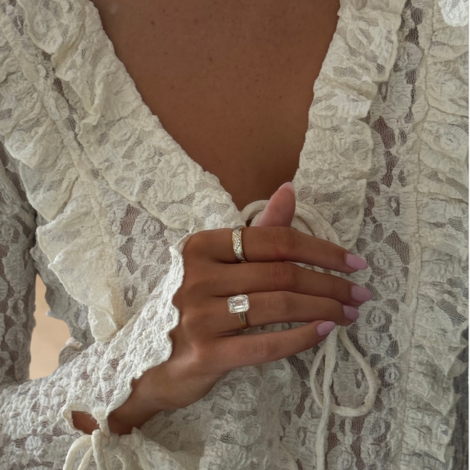
(from top to bottom) Auravie Two Tone Diamond Wedding Ring – B230 and Auravie Bezel Hidden Halo Engagement Ring – Jean
What is the Difference Between 14k and 18k Gold?
When choosing between 14k and 18k gold, it’s not just about appearance, it’s about understanding how each composition impacts performance, style, and value. From the percentage of pure gold to how the metal holds up in everyday wear, each karat level offers distinct advantages. This section outlines the core differences that can help guide your decision.
Gold Purity: Comparing 14k and 18k Gold Content
The most noticeable difference between 14k and 18k gold lies in their gold purity. 14k gold is 58.3% gold, while 18k gold contains 75%. The higher the karat, the more natural gold is present, which affects everything from price to color to softness.
Durability and Strength: Which Gold is More Resistant?
14k gold is more durable due to its stronger gold mixture with supporting metals. This makes it more resistant to scratches and wear, ideal for rings, bracelets, and other jewelry that see frequent contact. While 18k gold is slightly softer, it still offers solid strength for most daily wear items.
Color Differences Between 14k and 18k Gold
18k gold appears warmer and more saturated in tone, particularly in yellow gold. 14k gold, by contrast, has a slightly cooler and subtler hue. The same holds true in rose gold and white gold, though rhodium plating helps standardize the tone of white gold regardless of karat.
Which is Better: 14k or 18k Gold?
Choosing between 14k and 18k gold isn’t about finding the “best” gold overall, it’s about finding the right fit for your lifestyle, budget, and personal preferences. Each option has its own strengths, from resilience and affordability to richness in color and hypoallergenic properties. In this section, we break down the key factors to help you decide which gold is best suited for your needs.
Factors to Consider When Choosing Between 14k and 18k Gold
There’s no universally “better” option, it comes down to how you’ll wear the piece, your budget, skin sensitivities, and personal preferences.
Budget: Price Comparison Between 14k and 18k Gold
Because 18k gold contains more pure gold, it’s typically more expensive than 14k. If you’re buying multiple pieces or selecting a high-carat diamond, 14k gold can offer savings without compromising beauty or craftsmanship.
Allergies and Skin Sensitivity: Which Gold is Better for Sensitive Skin?
18k gold is often better for those with metal allergies or sensitive skin, as it contains fewer supporting metals in its composition that may trigger irritation. 14k gold can still be worn comfortably by most people but may cause a reaction in individuals highly sensitive to nickel or copper.
Longevity and Durability: Which Gold Lasts Longer?
Both 14k and 18k gold can last a lifetime with proper care. However, 14k may better withstand daily wear without visible damage, making it ideal for wedding bands and rings worn 24/7.
What Type of Jewelry is Best for 14k or 18k Gold?
Use 14k gold for engagement rings, everyday bracelets, stackable necklaces, and rings worn daily. Choose 18k gold for statement earrings, luxury gifts, pendants, or special occasion rings where brilliance and color depth matter most.
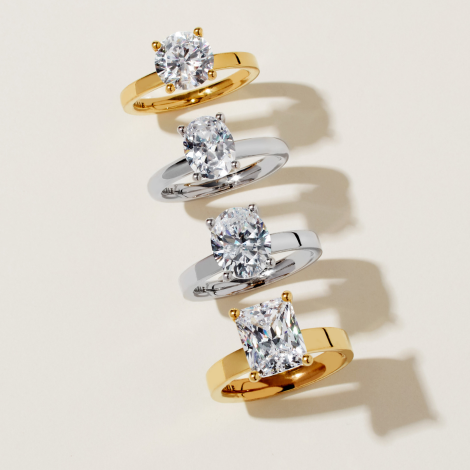
(from top to bottom) Round Cut Flat Edge Solitaire Engagement Ring – Harlow, Oval Cut Wide Band Solitaire Engagement Ring – Demitra, Oval Cut Flat Edge Solitaire Engagement Ring – Ember, and Radiant Cut Flat Edge Solitaire Engagement Ring – Vesta
How to Choose Between 14k and 18k Gold for Jewelry?
When selecting the right gold for your jewelry, consider more than just aesthetics. The decision between 14k and 18k gold should reflect your personal lifestyle, the purpose of the piece, and your long-term expectations for how the jewelry will age. This section outlines the core considerations that can guide you to the most suitable choice, whether you’re investing in a single heirloom or curating a personal collection.
How to Choose the Right Gold for Your Budget
If you’re balancing beauty and value, 14k gold provides an accessible entry point into fine jewelry without sacrificing sophistication. For those seeking heirloom-worthy richness, 18k gold offers a more premium finish.
Considering Your Lifestyle and Jewelry Wear
If your lifestyle involves hands-on work or you rarely remove your jewelry, the strength of 14k gold is a practical choice. 18k gold is better suited for more occasional wear or pieces less exposed to friction and impact.
Personal Preferences and Style
Some prefer the warm richness of 18k yellow gold, while others love the subtle blush of 14k rose gold. Consider your skin tone, wardrobe, and whether you lean toward understated or bold styles when selecting your gold karat.
Durability Comparison: 14k Gold vs 18k Gold
Durability plays a key role in choosing the right gold for your lifestyle. Whether you’re selecting a ring you’ll wear daily or a bracelet for occasional events, understanding how 14k and 18k gold hold up over time can help you make a practical, lasting choice. Here’s how they compare.
Resistance to Scratches and Damage
14k gold is more resistant to surface scratches due to its reinforced
metal composition. 18k gold, while luxurious, is more prone to dents and requires gentle handling to maintain its finish.
Does 14k and 18k Gold Tarnish Over Time?
Neither 14k nor 18k gold tarnishes easily. 14k gold may show slight surface dulling over time due to its denser metal composition, but it remains durable. 18k gold resists tarnish more effectively and maintains its color well with minimal maintenance.
Which Gold Lasts Longer: 14k or 18k?
Both can last decades, but 14k gold holds up better over time in high-contact pieces like rings and bangles. With proper care, 18k gold remains stunning for years, but it does benefit from more intentional maintenance.
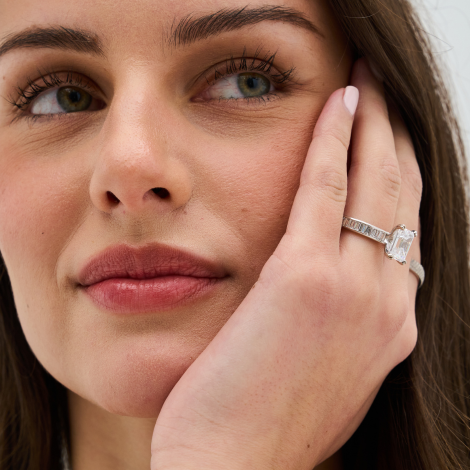
(from left to right) Auravie Channel Set Baguette Engagement Ring – Amren and Heritage Four Row Pavé Diamond Wedding Ring – B245
Can You Wear 14k or 18k Gold in the Shower or Ocean?
While 14k and 18k gold are durable metals, water exposure, especially in chlorinated pools or saltwater, can affect their appearance over time. This section covers how moisture impacts gold jewelry and what precautions to take to keep your pieces looking their best.
The Impact of Water Exposure on Gold Jewelry
Wearing gold jewelry in the shower or ocean isn’t ideal. Water, chlorine, salt, and soaps can degrade both rhodium plating and the luster of the gold. Over time, exposure may dull the shine of both 14k and 18k gold.
Does 14k or 18k Gold Rust or Corrode?
Neither 14k nor 18k gold rusts, but they can tarnish if repeatedly exposed to moisture and chemicals. 14k gold is slightly more resistant to this kind of wear, but both types benefit from regular drying and cleaning.
14k Gold vs 18k Gold in Engagement Rings
When it comes to engagement rings, the choice between 14k and 18k gold can influence not just the look of the ring, but how well it holds up over time. From daily wear to diamond setting styles, here’s how each gold type performs in a bridal context.
Which Gold is Better for Engagement Rings?
For engagement rings, 14k gold is the more durable choice, especially for engagement rings for active women. It resists wear better and is often more affordable when paired with a larger center diamond.
Considerations for Long-Term Wear in Engagement Rings
18k gold can still be a beautiful choice for engagement rings, especially for those seeking that rich yellow tone for their yellow gold engagement ring or for designs featuring bezel settings, fancy cuts, or minimal prong exposure where softness is less of a concern.
Mixing 14k and 18k Gold Jewelry – Is It a Good Idea?
Wearing different gold karats together is no longer a fashion faux pas, it’s a style-forward way to personalize your jewelry look. Combining 14k and 18k gold can create visual interest and contrast, as long as it’s done with intention. Here’s how to do it well.
Can You Wear 14k and 18k Gold Together?
Absolutely. It’s a modern, intentional look to mix 14k and 18k gold jewelry, as long as the tones complement each other. For example, pairing a 14k white gold band with 18k yellow gold earrings adds dimension and style.
How to Style 14k and 18k Gold Jewelry Together
Layering is key, think 14k gold chains stacked with an 18k gold pendant or mixing ring stacks in both karats. Use contrast to your advantage by combining texture, color, and finish across different karats. Our guides on how to layer necklaces and how to stack bracelets speak to this kind of jewelry styling.
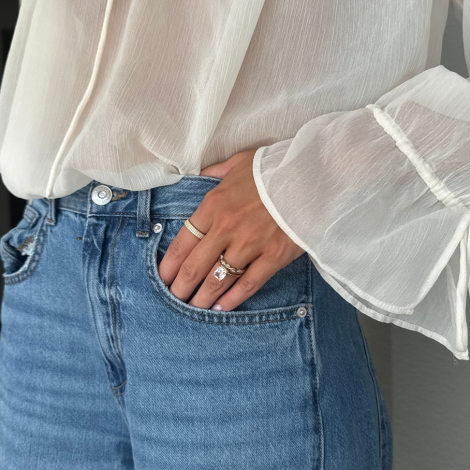
(from left to right) Heritage Triple Row Pavé Diamond Wedding Ring – B244, Tulira Marquise Diamond Leaf Wedding Ring – B261, and Cushion Cut Solitaire Hidden Halo Engagement Ring – Elin
Gold Jewelry and Investment Value
Gold has long been associated with beauty, sentiment, and lasting significance, but today, it also carries renewed relevance as a material with steadily rising value. As gold prices continue to climb, owning well-crafted gold jewelry offers both emotional meaning and the reassurance of investing in a material that historically appreciates over time.
Is Gold Jewelry a Good Investment?
Gold jewelry is not only wearable but also rooted in a precious material that holds enduring worth. While it shouldn’t take the place of traditional financial investments, the value of gold has increased significantly in recent years, making quality jewelry pieces an appealing long-term asset. Well-made 14k and 18k designs offer durability, intrinsic material value, and the added benefit of sentimental longevity, elements that collectively support the idea of jewelry as a meaningful and lasting form of investment.
Which Gold Holds Its Value Best?
Because 18k gold contains a higher percentage of pure gold, it typically carries greater intrinsic value per gram. However, 14k gold often maintains strong resale appeal due to its durability and popularity in everyday and bridal jewelry. The best choice depends on whether you prioritize the highest gold purity or long-term wearability, both of which contribute differently to the overall value of your piece.
How to Care for 14k and 18k Gold Jewelry
Maintaining the beauty of your 14k and 18k gold jewelry doesn’t require complicated routines, just consistent, gentle care. Regular cleaning and proper storage can preserve luster and prevent surface wear. Here’s how to keep your gold looking its best.
How to Clean Gold Jewelry
Clean both 14k and 18k gold with warm water, a soft cloth, and mild soap. Avoid abrasive materials or harsh chemicals, and always pat dry with a clean towel.
How Often to Clean Gold Jewelry
We recommend cleaning frequently worn gold pieces once a month and having them professionally polished by a Sylvie authorized retailer once or twice a year. This keeps both 14k and 18k gold looking brilliant and prolongs their beauty.
Sylvie’s Gold Jewelry Selection – Explore 14k and 18k Gold Designs
Whether you’re shopping for a once-in-a-lifetime ring or building a personal fine jewelry collection, Sylvie offers options that are both
meaningful and enduring.
At Sylvie, we design our engagement rings, wedding bands, and fine jewelry in both 14k and 18k gold. From sleek and modern styles to romantic, diamond-accented classics, our collections reflect the balance of form and function. Whether you’re drawn to the versatility of 14k or the luxury of 18k, we offer expertly crafted pieces that celebrate your story and suit your lifestyle.
Visit one of our authorized retailers to explore 14k and 18k gold designs and discover the piece that’s right for you.
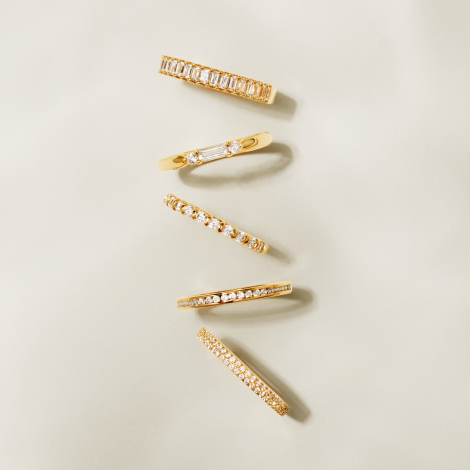
(from top to bottom) Heritage Baguette Diamond Wedding Ring – B238, Heritage Three Stone Baguette Wedding Ring – B235, Heritage Bar Set Diamond Wedding Ring – B231, Channel Set Diamond Wedding Ring – B267, and Heritage Double Row Pavé Diamond Wedding Ring – B243
14k and 18k Gold Jewelry Frequently Asked Questions (FAQs)
What is the difference between 14k and 18k gold?
14k gold contains 58.3% pure gold blended with alloy metals for strength, while 18k gold contains 75% pure gold, giving it a richer color and softer feel. Because of its added alloys, 14k gold is more durable, while 18k gold offers higher purity and a deeper tone.
What is the difference between 10k, 14k, 18k, and 24k gold?
These numbers indicate the percentage of pure gold. 10k gold has the least gold and is the hardest; 14k and 18k gold balance purity and durability; 24k gold is pure but very soft, making it unsuitable for everyday jewelry. Our fine jewelry is made in 14k or 18k gold.
Do 14k and 18k gold look different?
Yes. 18k gold has a deeper, warmer hue because of its higher gold content, while 14k gold appears slightly lighter and more subdued. The difference is noticeable side-by-side but blends naturally when styled together.
Is 18k gold darker than 14k?
Yes. 18k gold’s higher purity results in a richer, more saturated color compared to the softer tone of 14k gold.
Should I choose 14k or 18k gold for my engagement ring?
14k gold is ideal for daily wear due to its durability. 18k gold is preferred if you want a more luxurious color and higher gold purity.
Consider your lifestyle, how often you wear your ring, and the level of maintenance you’re comfortable with.
What are the typical uses for 18k and 14k gold?
14k gold is commonly used in engagement rings, wedding bands, and everyday jewelry because it withstands regular wear. 18k gold is often chosen for fine jewelry pieces where color richness and purity matter most.
Is 14k gold more durable than 18k gold?
Yes. Because 14k gold contains a higher percentage of strengthening alloys, it is more resistant to scratches and daily wear. 18k gold, while more precious, is softer and benefits from gentler handling.
Is 14k or 18k gold better for daily wear?
Most people prefer 14k gold for everyday wear due to its durability. 18k gold is suitable for daily use as well, but it is more prone to signs of wear over time.
Can I wear 18k gold jewelry every day?
Yes, but it requires slightly more mindful care. Because 18k gold is softer, you may notice small marks or signs of wear sooner than with 14k gold.
Is 14k or 18k gold better for sensitive skin?
18k gold is typically better for sensitive skin because its higher purity means fewer alloy metals that could cause irritation. However, sensitivities vary from person to person.
Does 14k gold tarnish?
14k gold rarely tarnishes, but everyday buildup like lotions or oils may dull its shine. This is easily reversible with gentle cleaning. Tarnish happens to alloy metals, not gold itself.
Does 14k or 18k gold tarnish more easily?
Both resist tarnish well. 18k gold, with higher purity, is slightly less reactive. Regular cleanings help maintain shine for either karat.
Can you shower with 14k or 18k gold?
Occasional exposure won’t damage gold, but regular showering with jewelry can dull its finish due to soaps and products. Removing jewelry before showering or swimming helps preserve its shine.
Can you wear 14k and 18k gold together?
Absolutely. Mixing karats is a popular styling choice and creates a layered, dimensional look. The color differences are subtle enough to blend beautifully.
Is rose gold pure gold?
No. Rose gold is created by blending pure gold with copper and a small amount of silver. Its pink tone varies depending on the karat level.
Is gold or silver better for cool-toned skin?
Cool undertones often pair well with silver-toned metals like white gold or platinum, while warm undertones are complemented by yellow and rose gold. That said, many people enjoy wearing all metal colors regardless of undertone.