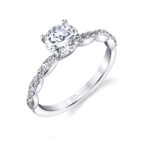
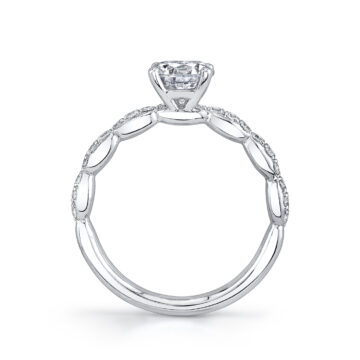
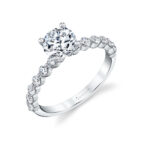
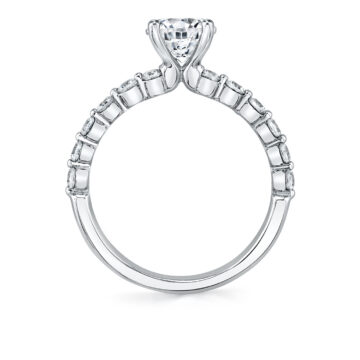
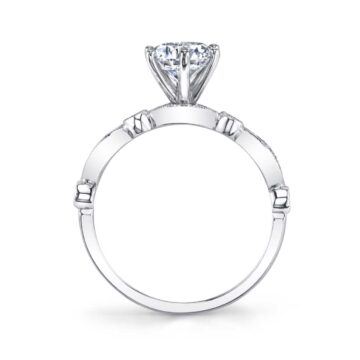
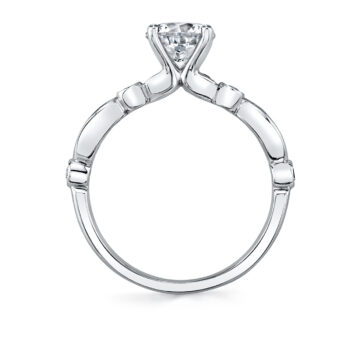
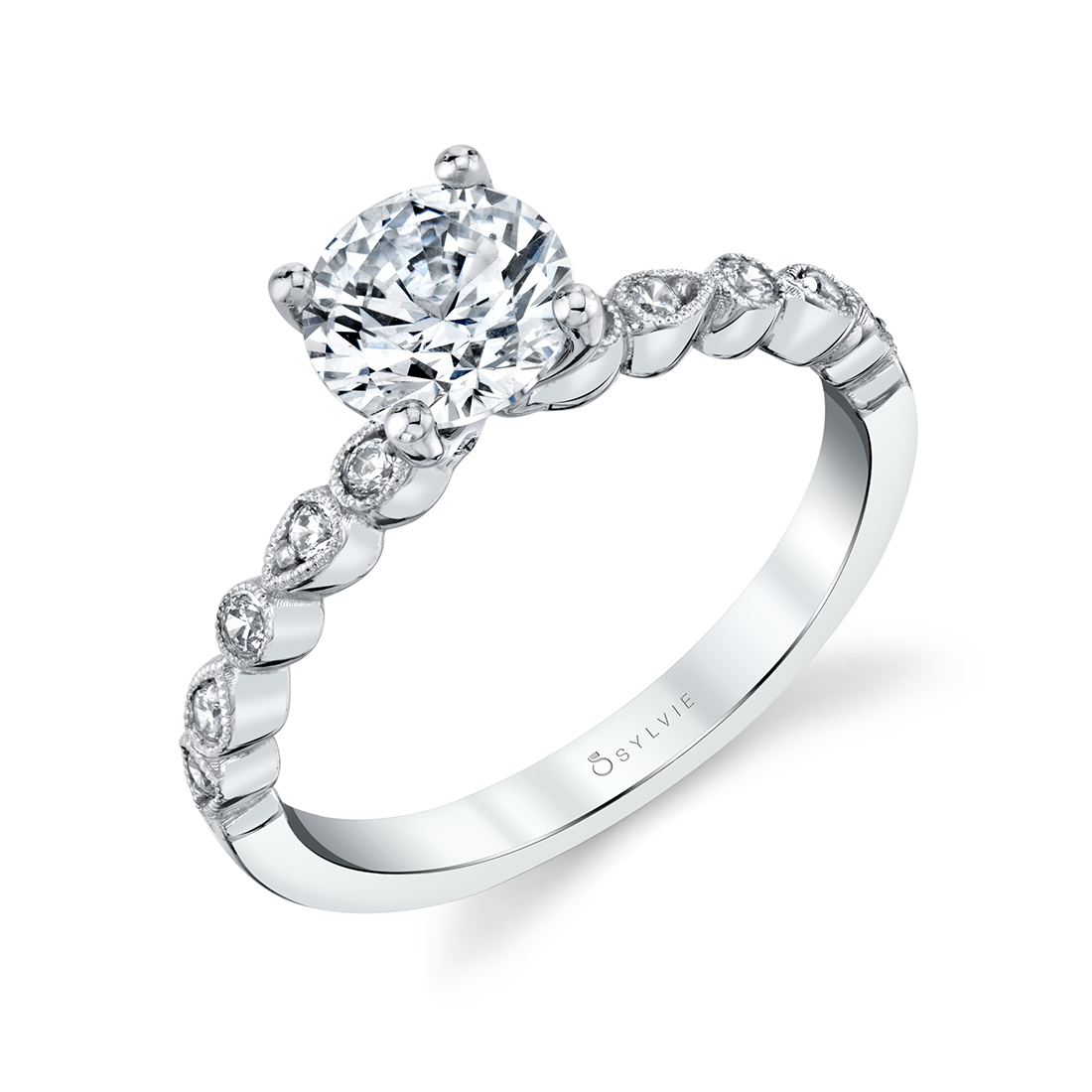
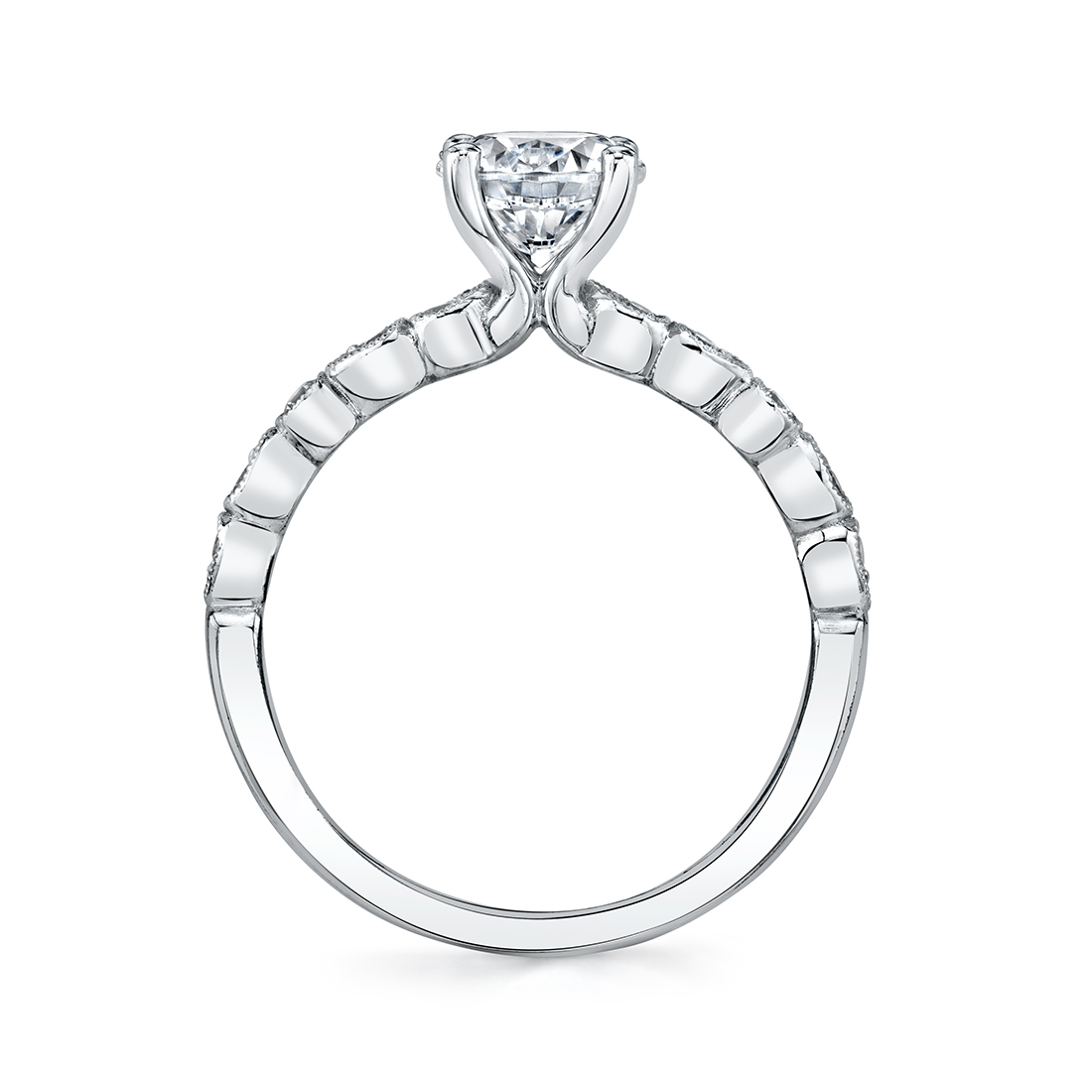
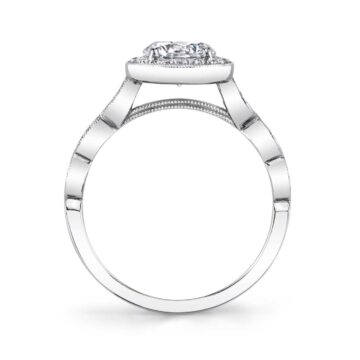
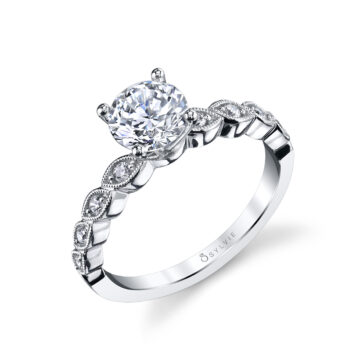
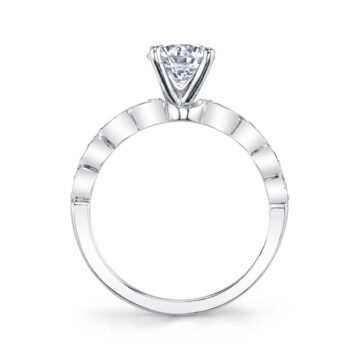
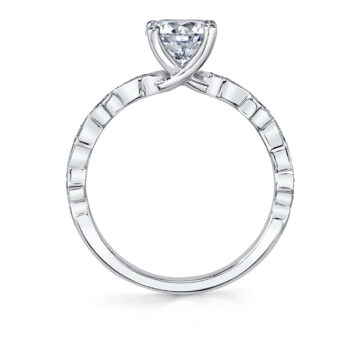
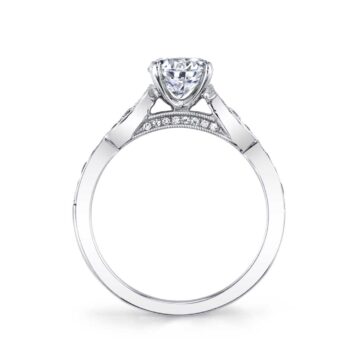
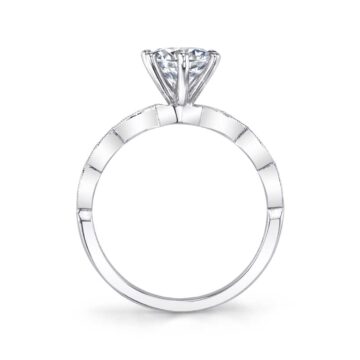
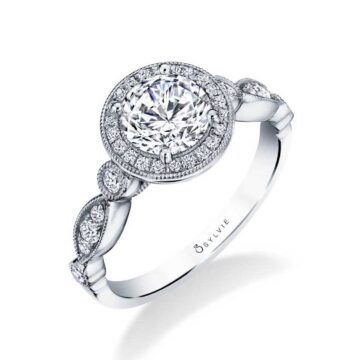
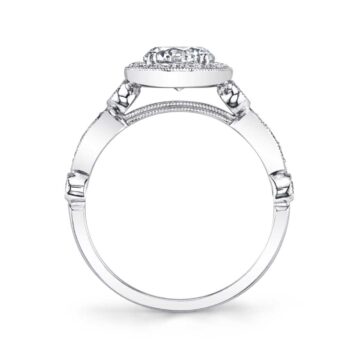
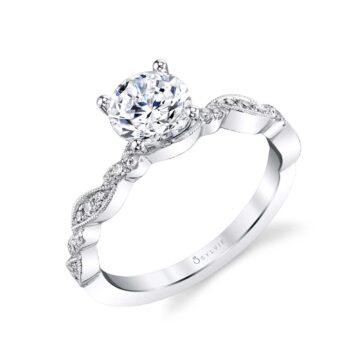
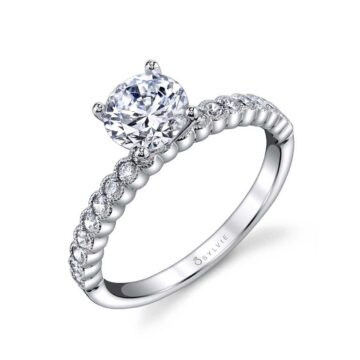
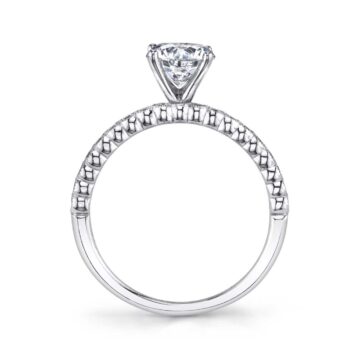
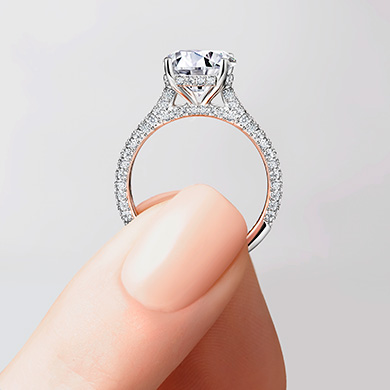
At Sylvie, stackable engagement rings are developed with a clear focus on engineering, material integrity, and long-term wear. We work exclusively with natural diamonds and premium gold alloys, ensuring every ring meets consistent standards for durability, balance, and clarity. Rather than designing rings to exist in isolation, our stackable engagement rings are created as part of a broader system, each piece is intended to align precisely with others over time.
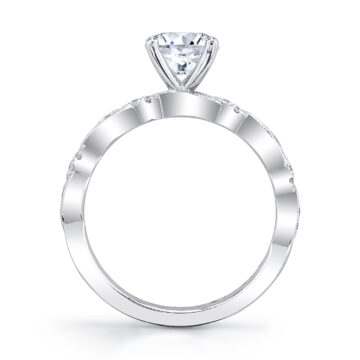
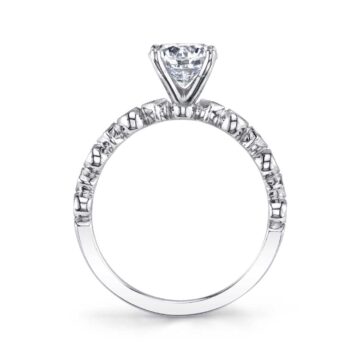
Our design process prioritizes flush fit and proportional consistency, allowing stackable engagement rings to sit closely together without excess height or uneven spacing. Band profiles are carefully calibrated to support future additions, including anniversary bands and wedding rings, without compromising comfort or stability. Interior comfort-fit construction further ensures that each ring feels secure and wearable for daily use.
This approach allows Sylvie stackable engagement rings to evolve naturally while maintaining structural harmony. The result is a collection of engagement rings designed not only for the moment of proposal, but for years of continued wear, layering, and meaningful growth.
Characteristics that Define Stackable Engagement Rings
Stackable engagement rings are distinguished by precise design choices that allow multiple rings to align cleanly, wear comfortably, and maintain balance over time. Rather than relying on visual emphasis alone, these rings are engineered with proportion, scale, and compatibility in mind. Diamond shape, band width, and setting style all play a critical role in how a stack functions as a cohesive unit.
Diamond Cuts and Stone Shapes
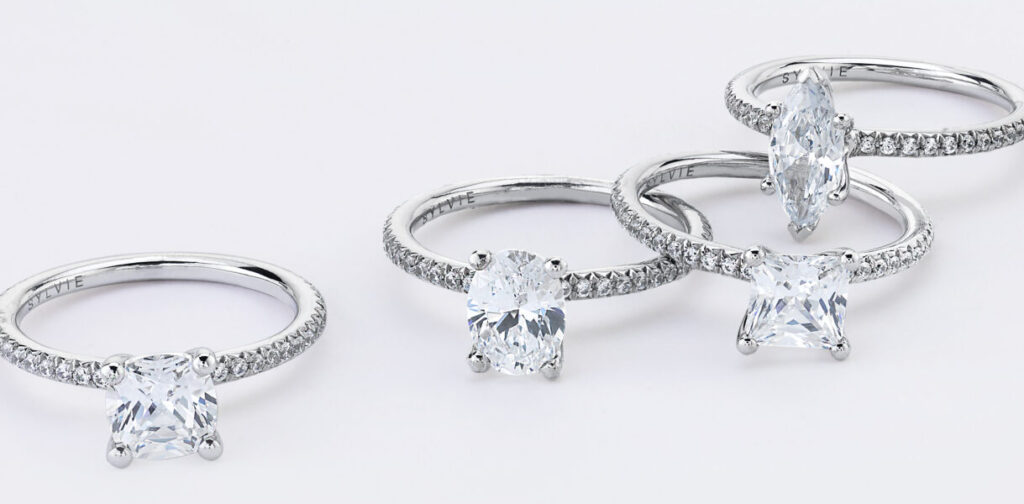
Diamond shape plays a critical role in how stackable engagement rings align, layer, and maintain visual balance. Round engagement rings are often favored in stacks because their symmetrical outline allows for consistent spacing between bands, making them easy to pair with additional rings. They are also commonly referenced when discussing what diamond cut sparkles the most or what is the most classic shape for engagement rings, due to their facet arrangement and light performance.
Oval engagement rings and marquise engagement rings introduce elongation, guiding the vertical flow of a stack and helping multiple rings feel streamlined on the finger. Emerald engagement rings offer a more linear, step-cut structure that creates order and clarity within layered designs, while princess engagement rings add angular definition and are best balanced with slimmer, simpler bands to avoid visual congestion.
When evaluating stackable designs, questions such as which diamond cut looks biggest often relate to face-up surface area rather than carat weight alone—an important distinction informed by the 4Cs of diamonds: cut, color, clarity, and carat. These standards also help explain why are diamonds used for engagement rings, as their durability and consistent grading support long-term wear and precise stacking compatibility.
Band Widths and Profiles (2mm, 3mm, etc.)
Band width is a key factor in stackability. Slim bands, commonly around 2mm, allow multiple rings to sit together without adding unnecessary bulk. Slightly wider 3mm bands introduce structure and can serve as a visual anchor within a stack. Profiles are typically kept low and refined to support comfort and reduce friction between rings. Consistent band height and interior contouring help maintain alignment when multiple rings are worn together.
Popular Settings: Pavé, Bezel, Solitaire, and More
Setting style affects both the appearance and performance of a stacked set. Pavé settings add diamond coverage with minimal height, making them well suited for layering. Bezel settings provide defined edges and added protection, helping stones remain secure when rings are worn closely together. Solitaire engagement rings often serve as the anchor of a stack, offering a clear focal point while allowing surrounding bands to layer without interference. Each setting choice contributes to the overall structure and longevity of a stackable engagement ring set.
Most Popular Styles in Stackable Engagement Rings
Stackable engagement rings are defined by versatility and thoughtful construction, but certain styles consistently stand out for their ability to layer cleanly and wear comfortably over time. These popular categories reflect how proportion, setting choice, and band profile influence a successful stack.
Stackable Solitaire Engagement Rings
Stackable solitaire rings are often used as the foundation of a layered set. Their streamlined bands and low-profile centers allow additional rings to sit flush without interference. By concentrating visual focus on a single diamond and keeping surrounding metal minimal, solitaire styles provide balance and clarity within a stack. This simplicity makes them easy to pair with anniversary bands or future additions while maintaining consistent alignment.
Stackable Diamond Engagement Rings
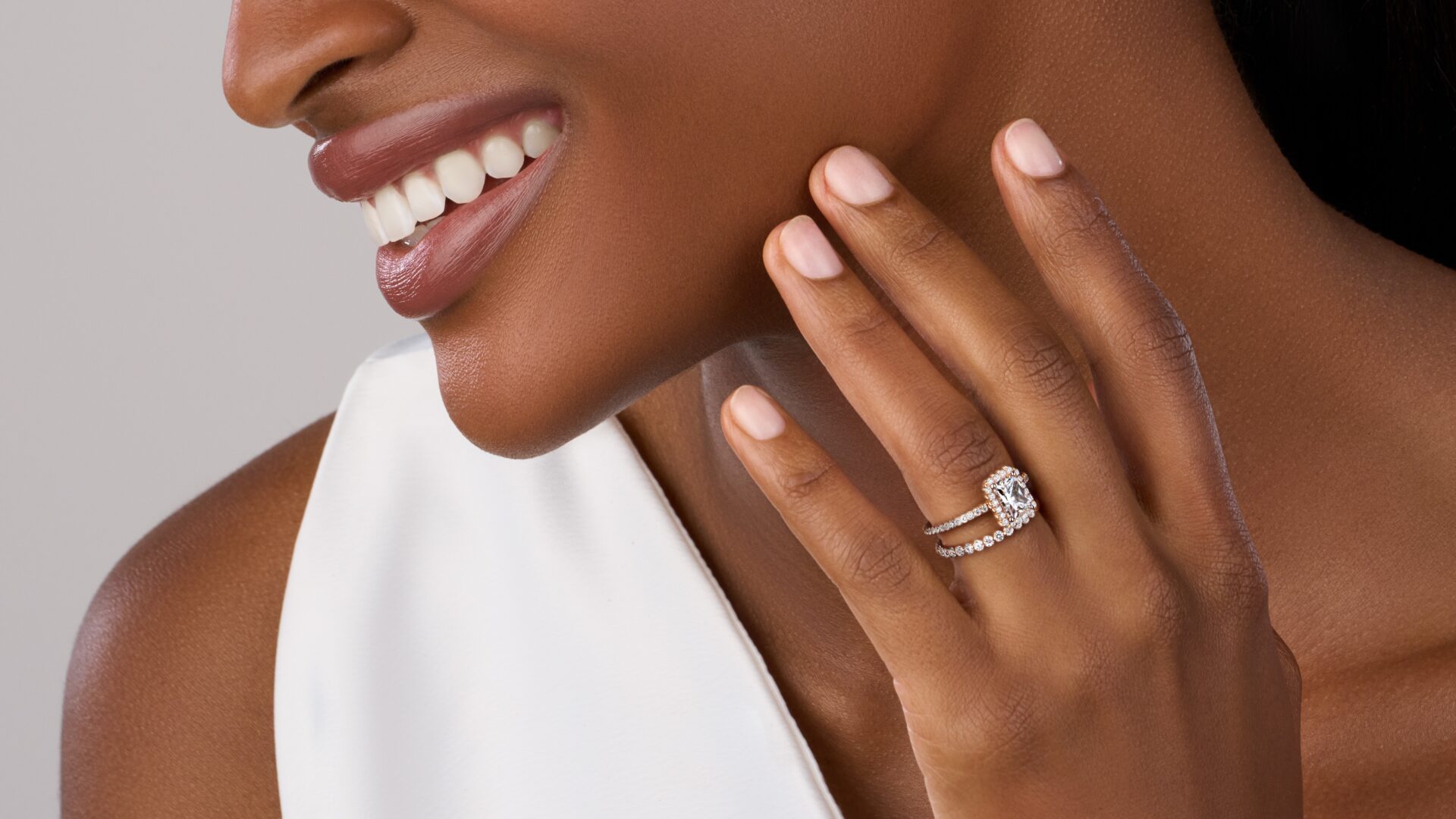
Stackable diamond engagement rings introduce added dimension through pavé, shared-prong, or flush-set diamonds. These designs are engineered to deliver light and definition without excessive height, ensuring comfort when worn alongside other bands. Evenly spaced diamonds and controlled band widths help maintain visual rhythm, allowing diamond-forward rings to layer without overwhelming the stack.
Vintage-Inspired Stackable Designs
Vintage-inspired stackable engagement rings are characterized by refined detailing such as milgrain edges, sculpted motifs, and mixed diamond shapes. While visually distinctive, these designs are carefully scaled to remain compatible with other rings. When used within a stack, vintage elements add texture and contrast, creating depth while preserving overall cohesion and wearability.
Stackable Engagement Rings with Colored Gemstones
Stackable engagement rings with colored gemstones offer an alternative approach to traditional diamond-focused designs, allowing for contrast, differentiation, and added meaning. When comparing gemstone vs diamond engagement rings, the primary distinction lies in visual emphasis and design flexibility. Gemstones introduce color and variation within a stack, while still supporting the same structural requirements, slim bands, low-profile settings, and precise spacing. For those exploring unique stones for engagement rings, colored gemstone accents provide individuality without compromising compatibility in a layered set.
Sapphire, Ruby, and Emerald Accents
Sapphires, rubies, and emeralds are among the best stones for engagement rings when used in stackable designs due to their durability and defined color presence. Sapphires offer a cool, controlled contrast that integrates easily alongside diamonds. Rubies introduce a deeper tonal accent that adds distinction without overwhelming a stack. Emeralds provide clean lines and rich color, working especially well in bezel or channel-set styles where alignment and protection are prioritized. In stackable engagement rings, these gemstones are typically used as accents rather than focal stones, ensuring balance and long-term wearability.
Pairing Colored Stones with White or Yellow Gold
Metal choice plays a key role in how colored gemstones appear within a stack. White gold engagement rings create crisp contrast and emphasize the clarity of sapphire and emerald accents. Yellow gold engagement rings add warmth, softening gemstone color and creating a cohesive visual foundation for layered bands. Rose gold engagement rings introduce subtle tonal variation that pairs well with ruby accents, while platinum engagement rings offer a neutral backdrop that highlights gemstone color without influence. Selecting the right metal ensures colored gemstone stackable engagement rings remain visually balanced and consistent as additional bands are added over time.
Stackable Ring Pairings & Wedding Sets
Stackable engagement rings are designed to integrate seamlessly with stackable wedding rings, allowing couples to build a cohesive bridal set over time. Understanding how rings relate to one another, whether deciding between a wedding ring or engagement ring as the anchor, helps ensure proper alignment, comfort, and long-term wear. The goal is coordination through proportion and construction, not identical design.
Do Stackable Wedding Rings Need to Match Engagement Rings?
Stackable wedding rings do not need to match an engagement ring exactly. While some couples prefer contrast in metal or setting, alignment and fit are more important than uniformity. Many Sylvie engagement rings are designed with a direct matching wedding ring, offering a flush, intentional pairing. These matched options simplify stacking by ensuring consistent band height and profile, while still allowing flexibility to introduce additional bands over time.
Building a Coordinated Bridal Stack
A well-balanced bridal stack begins with proportion. Start by selecting an engagement ring with a low-profile setting, then add wedding and anniversary bands with complementary widths and contours. Slim bands help maintain comfort as layers increase, while consistent band profiles reduce gaps and friction. Mixing diamond-accented and plain metal bands can create visual rhythm without adding bulk. When combining metals or settings, look for unifying elements, such as shared band height or similar diamond spacing, to keep the stack cohesive and wearable as it grows.
Customization Options for Stackable Engagement Rings
Customization is an integral part of how Sylvie designs stackable engagement rings. Rather than treating each ring as a standalone piece, our process considers how a design will layer today and adapt over time. Working closely with a Sylvie Authorized Retailer, you can refine proportions, materials, and diamond details to ensure your custom engagement ring stacks cleanly, wears comfortably, and remains consistent as your collection grows.
Step One – Choose a Starting Design
Begin with a Sylvie stackable engagement ring that reflects your preferences, whether that’s a classic solitaire, a diamond-accented band, or a sculptural silhouette. This step establishes the foundation of your stack, including band width, profile height, and overall scale, key factors that influence how future rings will align.
Step Two – Collaborate Through Your Retailer
Your Sylvie Authorized Retailer works directly with our design team to translate your vision into clear specifications. This collaboration allows you to explore options such as metal karat, diamond arrangement, setting style, and subtle design adjustments. Combining elements from different Sylvie styles is also possible, provided proportions and stack compatibility are maintained.
Step Three – Detailed 3D Design Preview
Once design details are confirmed, our team creates a detailed 3D design preview. This digital rendering allows you to review band dimensions, stone placement, and spacing before production begins. Adjustments can be made at this stage to ensure the ring will layer smoothly with other stackable engagement rings.
Step Four – Expert Craftsmanship Begins
After approval, your design moves into production. Each ring is handcrafted using natural diamonds and premium gold alloys, with careful attention to setting security, surface finish, and interior comfort. This step ensures the ring performs well both on its own and as part of a multi-ring stack.
Step Five – Delivered to Your Sylvie Retailer
The finished stackable engagement ring is delivered to your chosen retailer for final presentation and fit confirmation. At this stage, the ring is ready to wear, layer, and evolve, designed to remain compatible as additional rings are added over time.
Care and Maintenance for Stackable Rings
Stackable engagement rings are designed for daily wear, but proper care helps preserve their structure, finish, and alignment over time. Because multiple rings sit closely together, routine maintenance becomes especially important to prevent buildup, friction, and uneven wear. A consistent care approach ensures each ring continues to perform well on its own and as part of a stack.
How to Care for Diamond Stackable Engagement Rings
Diamond stackable engagement rings benefit from regular inspection and gentle handling. Diamonds are durable, but prongs and settings can loosen over time, particularly in multi-band stacks where rings experience repeated contact. Periodic professional checkups help ensure stones remain secure and settings maintain proper spacing. Removing rings during activities that involve impact, chemicals, or heavy pressure also supports long-term wearability.
Cleaning, Storage, and Resizing Tips
Knowing how to clean an engagement ring is essential for maintaining clarity and finish. At home, use warm water, mild soap, and a soft brush to clean each ring individually, rinsing thoroughly and drying with a lint-free cloth. Many wearers ask how often should you clean an engagement ring, for stackable rings, light cleaning every one to two weeks is recommended, with professional cleanings scheduled a few times a year.
When not worn, store stackable rings separately or in a fabric-lined compartment to reduce surface abrasion. Resizing is often possible for stackable engagement rings, though designs with continuous diamonds may have limitations. Consulting your Sylvie Authorized Retailer before resizing ensures the integrity of the stack remains intact.
Maintaining Brilliance in Multi-Band Stacks
To maintain brilliance across a multi-band stack, address each ring as an individual piece rather than cleaning or storing them together. This approach reduces friction and preserves surface finish. Rotating the order of stacked rings occasionally can also help distribute wear evenly. With consistent care and professional maintenance, stackable engagement rings retain their alignment, comfort, and visual clarity over time.